Bowery Ballroom

showview

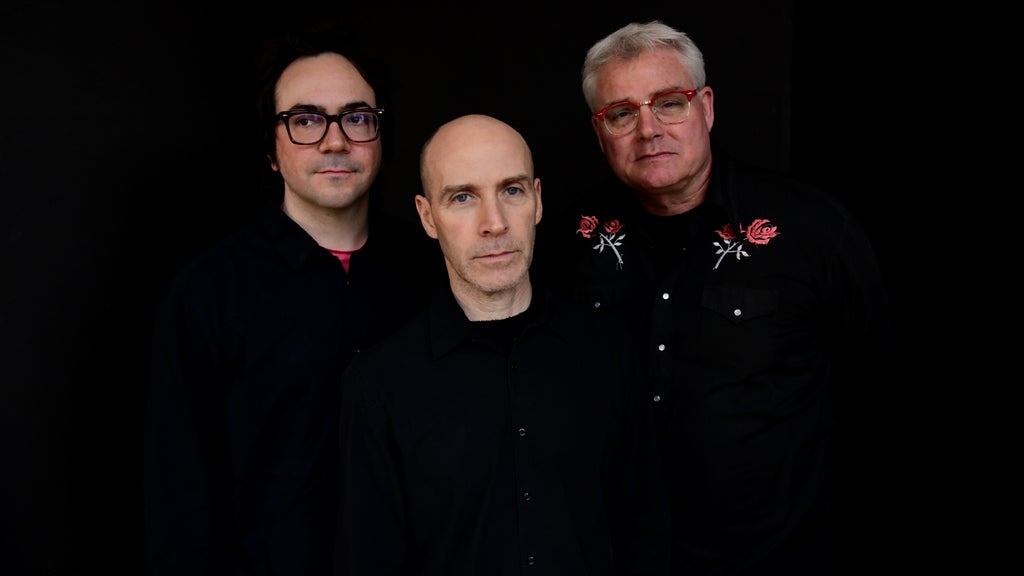
The Dead C

The Dead C

Sightings / Northampton Wools (Thurston Moore & Bill Nace) / King Darves

Mon 10/13

21+

Doors 7:30pm

$15 adv / $18 day of

The Dead C

  • Forerunners of post-rock and the modern-day revival of space rock, the Dead C were an improvisational, hugely prolific noise-rock trio indebted to Sonic Youth (whose Thurston Moore was an avowed fan), as well as Krautrock and psychedelia. Challenging and mostly instrumental, they were a definite anomaly on the New Zealand scene, which was still known primarily for the jangly collegiate pop of the Flying Nun label when the band first emerged in the late ‘80s. Perhaps in part for that reason, the Dead C didn't attract much of a fan base in their home country; their audience was mostly international, developed initially through fanzine culture and word of mouth. They did, however, help spark a more experimental music scene around their native Dunedin, which was centered around bassist Bruce Russell's Xpressway label and boosted the careers of musicians like Alistair Galbraith and Peter Jefferies. They also influenced a broad range of bands, from the ambient post-rock of Flying Saucer Attack and Labradford to the neo-psychedelia of Bardo Pond to lo-fi indie-rockers like Pavement and Sebadoh.

    The Dead C's own music held elements of all those styles, and remained essentially the same for most of the band's life: murky, hazy, loosely structured drone rock, enveloped in a thick crust of avowedly low-fidelity guitar noise, and often warped with tape manipulations or studio treatments. Consistent almost to a fault, their catalog was generally very much of a piece, with minor variations here and there; this, combined with its size and scarcity, could make finding entry difficult, but experimental rock enthusiasts often found the rewards worth pursuing.The Dead C was formed in Dunedin, New Zealand in 1987, with a lineup of guitarist/occasional vocalist Michael Morley (a onetime member of the evocatively named Wreck Small Speakers on Expensive Stereos), bassist and Xpressway label head Bruce Russell, and drummer Robbie Yeats (formerly of the well-liked Kiwi pop band the Verlaines).

    In keeping with the early formats of Xpressway and Morley's own Precious Metal imprint, their earliest releases were only available on limited-run cassettes, but they also hooked up with Flying Nun in 1988 to issue their first LP, DR503 (which was retitled DR503b and DR503c for later reissues). A second Flying Nun LP, Eusa Kills, appeared in 1989 and featured a bizarre cover of T. Rex's "Children of the Revolution."The Dead C next forged a relationship with the Philadelphia-based indie Siltbreeze, which would issue the majority of their output over the ‘90s. The first was 1990's Helen Said This, which was later reissued on CD as part of a two-fer with the formerly cassette-only Trapdoor Fucking Exit (the latter's title was used for the CD). 1992's double-LP set Harsh ‘70s Reality is regarded by most as a high point -- perhaps the high point -- of the band's career, ranging from relatively concise songs to the side-long jam "Driver U.F.O." In its wake, Morley and Russell both launched side projects -- Gate and A Handful of Dust, respectively -- that allowed them to pursue even more esoteric avenues. A flood of Dead C material followed over 1993-94 as well: the improvisational The Operation of the Sonne, the outtakes/archival collection World Peace Hope Et Al (on the British label Shock), the live album Clyma Est Mort, and a collaborative EP with Sebadoh.

    The Dead C hit another creative high point with 1995's The White House, another fan favorite that brought a touch more structure to the group's usually free-form compositions. Another live album, Repent, followed in 1996, while the next year's Tusk -- titled ironically after the Fleetwood Mac album -- proved to be their last effort for Siltbreeze. It also marked the end of their most prolific period, as the band subsequently spent an astonishing (for them) three years off record. They weren't inactive, though; when they finally returned in 2000, it was with an eponymously titled double-CD release of sessions conducted from 1995-99. The Dead C was released on the band's new Language Recordings label, which allowed them greater financial control. Their second Language album, 2002's New Electric Music, was the most electronically oriented item in their large discography to date. 2003's The Damned found a more widespread American release via the Starlight Furniture label.
    --Steve Huey, allmusic.com

Sightings

  • Sightings formed in New York City in 1997 with Mark Morgan (guitar and vocals) and John Lockie (drums) getting together and jamming. A year later, they met bassist Richard Hoffman, and the trio put out a slightly more traditional, straight ahead rock single on the Freedom From imprint. After realizing their art rock potential and drawing inspiration from the likes of Yoko Ono, Cabaret Voltaire and Red Transistor, Sightings recorded their self-titled debut, released on Load Records in 2002. The album displays sharp and terse assaults, probably unlistenable to most. Though these tracks sound as if one would need electronics to create them, Sightings builds all of their sound barrages with a guitar, bass and drums lineup.

Email Sign-up

Bowery Radio Podcast
Box Office Info

Mercury Lounge

217 E. Houston St. (corner Ave A & Houston)

New York, NY map & directions

212–260–4700

Hours: Mon–Sat, Noon–7 pm

Music Hall of Williamsburg

66 N. 6th St. (b/w Wythe & Kent)

Brooklyn, NY map & directions

718–486–5400

Hours: Saturday 11am–6pm

Contact Info
General Info: info@bowerypresents.com
Room Rentals: privateevents@bowerypresents.com
Media Inquiries: bpmedia@bowerypresents.com
Bowery Ballroom

6 Delancey St

New York NY map & directions