Allen Stone
Elizabeth and the Catapult, Anthony Hall
Wed, July 25, 2012
Doors: 8:00 pm / Show: 8:30 pm
The Bowery Ballroom
New York, NY
$17 advance / $20 day of show
Sold Out
This event is 18 and over
http://www.boweryballroom.com/event/116215/Allen Stone

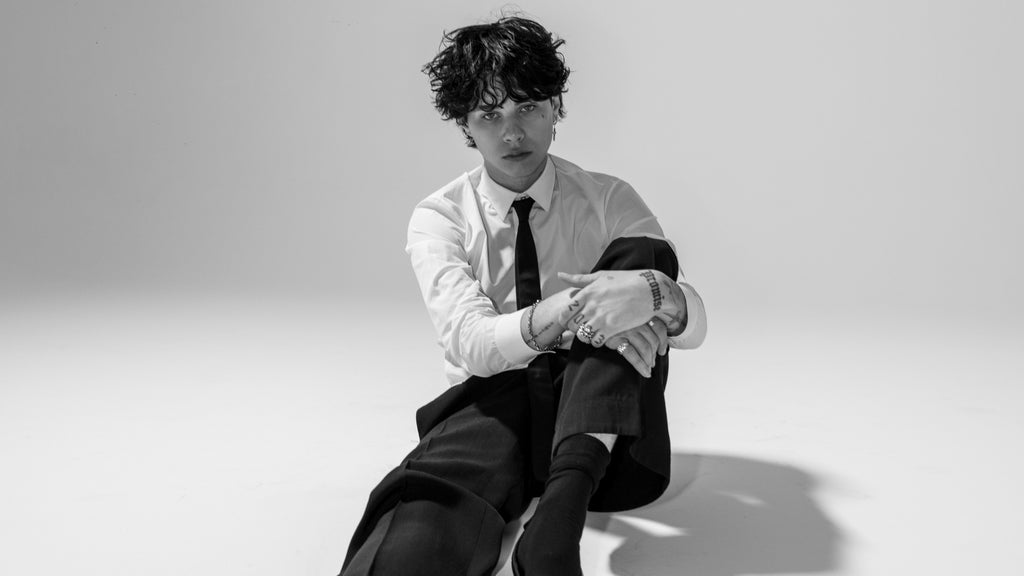
From backwoods barbecues and community gatherings; Allen Stone emerges to share personal melodies, telling his tales of life after just 23 years. Getting his start singing at his father's church in small-town America; it wasn't until later when introduced to the greats of soul music (Marvin Gaye, Aretha Franklin) and then to the confessional lyrical fashion of the 60's -70's singer/ songwriters, did music begin to ignite intense passion, eventually carrying this boy to a musical home.
His debut album "Last To Speak" touches upon a range of styles and themes. Integrating classic soul, catchy pop hooks, r&b beats and folk roots with lyrical matters of testimonial broken relationships, poisonous politics and an intimate challenge to religion. Stone's music is notable for his finely crafted evocative songs and a fresh, smooth, soul-filled voice-one that certainly belies his age.
Elizabeth and the Catapult

“I’d hope there’s humor to both of our albums, but they’re actually quite different from one another,” says Elizabeth Ziman, the singer/songwriter/keyboardist behind Elizabeth and the Catapult. “While Taller Children has the sarcastic lightness of a Woody Allen film, the new record’s more in the vein of Kubrick or Lynch. It’s a bit darker, a bit more tongue-in-cheek – another side to who we are.”
The reason for this shift isn’t as simple as a sudden breakup or breakdown. The dissonant strains are lurking between the lines, from the clanging chords and galloping groove of “The Horse and the Missing Cart” to the hopeful but bitter contrasts of “Thank You For Nothing,” a heartbroken ballad that channels the Buddhist teachings of an old Leonard Cohen poem.
As it turns out, Elizabeth read Cohen’s Book of Longing collection from cover to cover while working on the Lincoln Center song cycle – performed last spring for a commission from NPR’s John Schaefer – that gave The Other Side of Zero its title and a handful of tracks. As the pages sunk in, one particular theme stood out: Cohen’s struggle to meet Buddhist goals in a monastery, which Elizabeth felt paralleled her own coming-of-age struggles while living and growing up in New York City.
“Once I finished the book,” she says, “I realized that reaching this zen state wasn’t a realistic goal. Not for Leonard, and certainly not for me. It’s more about the intent of letting go, and being able to laugh after you fall.”
Cohen’s book also helped Elizabeth see parallels between the pain and growth in relationships and the gestures of balance in Buddhism. Songs about taming the extremes, finding similarities between opposites, and accepting the moment. While “Thank You for Nothing” sounds pretty self-explanatory, it does more than pull the plug on a flat-lining relationship. It exposes the blurry line between gratitude and ingratitude, and how they often feed off of each other. (“I’ll just keep saying it/Thank you, thank you/Thank you for everything/Thank you for nothing at all.”) Meanwhile, “The Horse and the Missing Cart” is a cautionary tale about seizing the day; about actually doing things, rather than worrying about whether or not you should act.
Which brings us to why The Other Side of Zero is Elizabeth & the Catapult’s rawest set of recordings yet. Unlike their thoroughly-demoed debut – an album that took two years to complete – the Zero sessions boiled down to a month of recording with producer Tony Berg (Peter Gabriel, Phantom Planet, Jesca Hoop) and such respected sidemen as guitarist Blake Mills and Tom Waits’ longtime touring keyboardist, Patrick Warren.
The result was rough but refined, bruised but beautiful, as if Berg had placed a mic in a room and walked away, letting Elizabeth and drummer Danny Molad do their thing. Or as Elizabeth puts it, “This record’s more abrasive, more blatantly honest – perhaps even rude at times. Maybe intentionally so.”
Rude isn’t the right word. More like scrappy and spontaneous, with Elizabeth’s film score skills – for a while there, she wanted to be a scene-stealing composer – coloring each song like a Technicolor movie print. Take “Go Away My Lover,” a dagger-drawing duet that brings a couple to its close alongside speaker-smacking drums, demented whistles, and a call-and-response chorus that races to put all of this – the memories, the longing, and ultimately, the regret – to rest.
And then there’s the title track. Led by a lean, winding piano line, it builds to a spine-tingling crescendo alongside the honey-dipped harmonies of Gillian Welch and Dave Rawlings – a collaboration that was completely unplanned. Not that you’d notice, considering how seamless it sounds.
One thing Elizabeth made sure to write down months in advance were her lyrics, which often take months of intensive editing. And even then, it’s hard to let them go without poring over every last word. Especially in this case – a highly personal examination of love and loss, and growing older.
“Even the happiest sounding pop songs on this record have a tinge of regret and darkness to them,” explains Elizabeth. “And thank goodness for that. Ultimately that’s the only way I’d feel comfortable singing them. I’m drawn to the ambiguity like a menacing smile.”
The reason for this shift isn’t as simple as a sudden breakup or breakdown. The dissonant strains are lurking between the lines, from the clanging chords and galloping groove of “The Horse and the Missing Cart” to the hopeful but bitter contrasts of “Thank You For Nothing,” a heartbroken ballad that channels the Buddhist teachings of an old Leonard Cohen poem.
As it turns out, Elizabeth read Cohen’s Book of Longing collection from cover to cover while working on the Lincoln Center song cycle – performed last spring for a commission from NPR’s John Schaefer – that gave The Other Side of Zero its title and a handful of tracks. As the pages sunk in, one particular theme stood out: Cohen’s struggle to meet Buddhist goals in a monastery, which Elizabeth felt paralleled her own coming-of-age struggles while living and growing up in New York City.
“Once I finished the book,” she says, “I realized that reaching this zen state wasn’t a realistic goal. Not for Leonard, and certainly not for me. It’s more about the intent of letting go, and being able to laugh after you fall.”
Cohen’s book also helped Elizabeth see parallels between the pain and growth in relationships and the gestures of balance in Buddhism. Songs about taming the extremes, finding similarities between opposites, and accepting the moment. While “Thank You for Nothing” sounds pretty self-explanatory, it does more than pull the plug on a flat-lining relationship. It exposes the blurry line between gratitude and ingratitude, and how they often feed off of each other. (“I’ll just keep saying it/Thank you, thank you/Thank you for everything/Thank you for nothing at all.”) Meanwhile, “The Horse and the Missing Cart” is a cautionary tale about seizing the day; about actually doing things, rather than worrying about whether or not you should act.
Which brings us to why The Other Side of Zero is Elizabeth & the Catapult’s rawest set of recordings yet. Unlike their thoroughly-demoed debut – an album that took two years to complete – the Zero sessions boiled down to a month of recording with producer Tony Berg (Peter Gabriel, Phantom Planet, Jesca Hoop) and such respected sidemen as guitarist Blake Mills and Tom Waits’ longtime touring keyboardist, Patrick Warren.
The result was rough but refined, bruised but beautiful, as if Berg had placed a mic in a room and walked away, letting Elizabeth and drummer Danny Molad do their thing. Or as Elizabeth puts it, “This record’s more abrasive, more blatantly honest – perhaps even rude at times. Maybe intentionally so.”
Rude isn’t the right word. More like scrappy and spontaneous, with Elizabeth’s film score skills – for a while there, she wanted to be a scene-stealing composer – coloring each song like a Technicolor movie print. Take “Go Away My Lover,” a dagger-drawing duet that brings a couple to its close alongside speaker-smacking drums, demented whistles, and a call-and-response chorus that races to put all of this – the memories, the longing, and ultimately, the regret – to rest.
And then there’s the title track. Led by a lean, winding piano line, it builds to a spine-tingling crescendo alongside the honey-dipped harmonies of Gillian Welch and Dave Rawlings – a collaboration that was completely unplanned. Not that you’d notice, considering how seamless it sounds.
One thing Elizabeth made sure to write down months in advance were her lyrics, which often take months of intensive editing. And even then, it’s hard to let them go without poring over every last word. Especially in this case – a highly personal examination of love and loss, and growing older.
“Even the happiest sounding pop songs on this record have a tinge of regret and darkness to them,” explains Elizabeth. “And thank goodness for that. Ultimately that’s the only way I’d feel comfortable singing them. I’m drawn to the ambiguity like a menacing smile.”