Alberta Cross
The Ludlow Thieves, Street Smells
Thu, September 13, 2012
Doors: 7:00 pm / Show: 8:00 pm
The Bowery Ballroom
New York, NY
$16
Tickets
This event is 18 and over
http://www.boweryballroom.com/event/136285/Alberta Cross

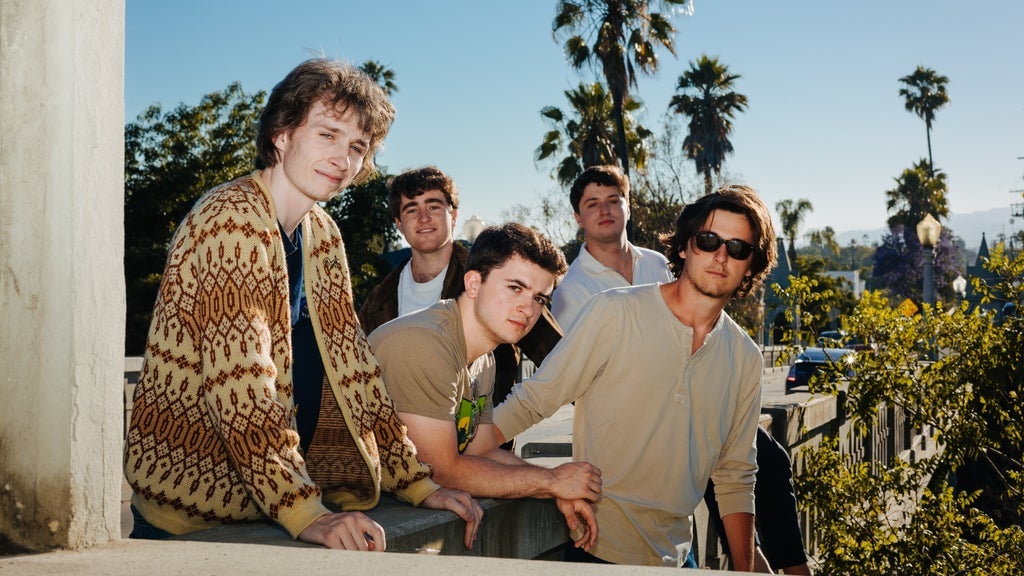
The title of Alberta Cross’ new album, Songs of Patience is, in many ways, literal. “It's been three years since we last released a full-length album,” says singer/ songwriter/ guitarist Petter Ericson Stakee, a Swedish-born musician who has spent a big part of his life abroad in London and now Brooklyn, NY. “It was a crazy ride that ended on a positive note. Three band members and five producers later, the record is now ready.” The highs and lows of the band’s journey raised a grander set of ideas, infusing the disc’s title with additional universal meaning.
After touring extensively on their debut, Broken Side Of Time, with bands like Them Crooked Vultures, Oasis, and Black Rebel Motorcycle Club, and stopping at festivals like Bonnaroo and Sasquatch, Alberta Cross headed to an old, abandoned house in the middle of nowhere near Woodstock, NY. There, they braved the freezing winter and embraced a sense of the building’s haunted past to envision ideas for a new record. Initially, the motivation was to get back to the songwriting quality of the band’s 2007 self-produced EP The Thief & the Heartbreaker—a blurry forethought that would later become clearer. “Bringing other guys into the band on the last record changed things,” says London-born bassist Terry Wolfers. “I think we became aware that we wanted to bring back some of our original sound. That was the basis of our intentions.”
The Woodstock session opened the doors for Wolfers and Ericson Stakee, who formed the band seven years ago after they met in a London pub, to craft the songs that would appear on Songs of Patience (ATO Records), but the group needed more inspiration. Petter moved across the country from Brooklyn to LA in early 2011, intending to spend some time writing on his own again and searching out new creative motivations. But after Wolfers and the rest of the band members joined him in LA, where the group went into the studio with producers Joe Chiccarelli (The White Stripes, My Morning Jacket) and Mike Daly (Whiskeytown, Young the Giant), Petter hit a wall.
“I love LA, but the combination of relocating and straight away hitting the studio made me spiral out of control.” Ericson Stakee says. “I needed to let go of everything around me and close to me, so I could discover what I missed and what I really needed. I partied too hard, and I blew my newly earned money. Once I hit rock bottom, I visited home in Sweden and plummeted back down to planet Earth. I knew exactly what I had to do.”
This meant that Ericson Stakee and Wolfers, unhappy with the album they’d finished in LA, had to find their way back to what inspired Alberta Cross in the first place. The two were forced to look their new album in the face and admit that it needed revision, a step that allowed them to open up their creativity, pen additional tracks and re-mix/re-track a few songs from the L.A. sessions once they’d returned to New York. There, they laid down new songs with producer and friend Claudius Mittendorfer (Muse, Interpol), rounding out the original album to be an expansive, thoughtful portrait of their experiences—as a two-piece.
“We always wanted to be two,” Ericson Stakee notes.
Wolfers adds, “It took all that to realize the only way this band will work is as the way we started it.”
In the end, Songs of Patience is both a throwback to Alberta Cross’ roots and a progression forward. The album veers from the melodic sprawl of opener “Magnolia,” a track Petter wrote in L.A. about “too many late nights, for better or worse,” to the pensive provocation of “Lay Down,” which was penned in the back of a van in Tampa when he felt “beat down by the road” after a two-year straight stint on tour. Petter’s self-defeat and subsequent self-discovery are apparent on hook-laden rocker “Wasteland,” a track about “our generation being lost and sometimes in need of guidance,” while the fuzzed out layers on “Crate of Gold” reveal his growth as a songwriter, leaving himself to explore the motivations of the Occupy movement. The focus throughout the album’s songwriting was strong, engaging melodies, as well as Ericson Stakee’s poetic narrative sensibility, both of which allow the listener to inhabit a new place for the span of the album.
“Everything we have been through is present in our record, and it's my proudest work yet,” Ericson Stakee says. “For the first time ever, I wanted to print my lyrics because it’s important that people form an idea of what each song is about. At the same time, I’d like my songs to be more open, so people can incorporate their own experiences and give them their own meaning. Although the songs are serious, the whole album feels more colorful than ever.”
In the end, the record is the sum of three years’ worth of parts – a struggle that concluded in victory. It opens new possibilities for the band’s visceral live show, a notable facet of the group defined by their raucous, gritty onstage performances that swell the tracks into bigger, more expansive versions of themselves. Songs of Patience has also, in many ways, become a decided source of inspiration for the band members – one they hope magnifies the personal battles and upsides of their fans.
After touring extensively on their debut, Broken Side Of Time, with bands like Them Crooked Vultures, Oasis, and Black Rebel Motorcycle Club, and stopping at festivals like Bonnaroo and Sasquatch, Alberta Cross headed to an old, abandoned house in the middle of nowhere near Woodstock, NY. There, they braved the freezing winter and embraced a sense of the building’s haunted past to envision ideas for a new record. Initially, the motivation was to get back to the songwriting quality of the band’s 2007 self-produced EP The Thief & the Heartbreaker—a blurry forethought that would later become clearer. “Bringing other guys into the band on the last record changed things,” says London-born bassist Terry Wolfers. “I think we became aware that we wanted to bring back some of our original sound. That was the basis of our intentions.”
The Woodstock session opened the doors for Wolfers and Ericson Stakee, who formed the band seven years ago after they met in a London pub, to craft the songs that would appear on Songs of Patience (ATO Records), but the group needed more inspiration. Petter moved across the country from Brooklyn to LA in early 2011, intending to spend some time writing on his own again and searching out new creative motivations. But after Wolfers and the rest of the band members joined him in LA, where the group went into the studio with producers Joe Chiccarelli (The White Stripes, My Morning Jacket) and Mike Daly (Whiskeytown, Young the Giant), Petter hit a wall.
“I love LA, but the combination of relocating and straight away hitting the studio made me spiral out of control.” Ericson Stakee says. “I needed to let go of everything around me and close to me, so I could discover what I missed and what I really needed. I partied too hard, and I blew my newly earned money. Once I hit rock bottom, I visited home in Sweden and plummeted back down to planet Earth. I knew exactly what I had to do.”
This meant that Ericson Stakee and Wolfers, unhappy with the album they’d finished in LA, had to find their way back to what inspired Alberta Cross in the first place. The two were forced to look their new album in the face and admit that it needed revision, a step that allowed them to open up their creativity, pen additional tracks and re-mix/re-track a few songs from the L.A. sessions once they’d returned to New York. There, they laid down new songs with producer and friend Claudius Mittendorfer (Muse, Interpol), rounding out the original album to be an expansive, thoughtful portrait of their experiences—as a two-piece.
“We always wanted to be two,” Ericson Stakee notes.
Wolfers adds, “It took all that to realize the only way this band will work is as the way we started it.”
In the end, Songs of Patience is both a throwback to Alberta Cross’ roots and a progression forward. The album veers from the melodic sprawl of opener “Magnolia,” a track Petter wrote in L.A. about “too many late nights, for better or worse,” to the pensive provocation of “Lay Down,” which was penned in the back of a van in Tampa when he felt “beat down by the road” after a two-year straight stint on tour. Petter’s self-defeat and subsequent self-discovery are apparent on hook-laden rocker “Wasteland,” a track about “our generation being lost and sometimes in need of guidance,” while the fuzzed out layers on “Crate of Gold” reveal his growth as a songwriter, leaving himself to explore the motivations of the Occupy movement. The focus throughout the album’s songwriting was strong, engaging melodies, as well as Ericson Stakee’s poetic narrative sensibility, both of which allow the listener to inhabit a new place for the span of the album.
“Everything we have been through is present in our record, and it's my proudest work yet,” Ericson Stakee says. “For the first time ever, I wanted to print my lyrics because it’s important that people form an idea of what each song is about. At the same time, I’d like my songs to be more open, so people can incorporate their own experiences and give them their own meaning. Although the songs are serious, the whole album feels more colorful than ever.”
In the end, the record is the sum of three years’ worth of parts – a struggle that concluded in victory. It opens new possibilities for the band’s visceral live show, a notable facet of the group defined by their raucous, gritty onstage performances that swell the tracks into bigger, more expansive versions of themselves. Songs of Patience has also, in many ways, become a decided source of inspiration for the band members – one they hope magnifies the personal battles and upsides of their fans.
The Ludlow Thieves

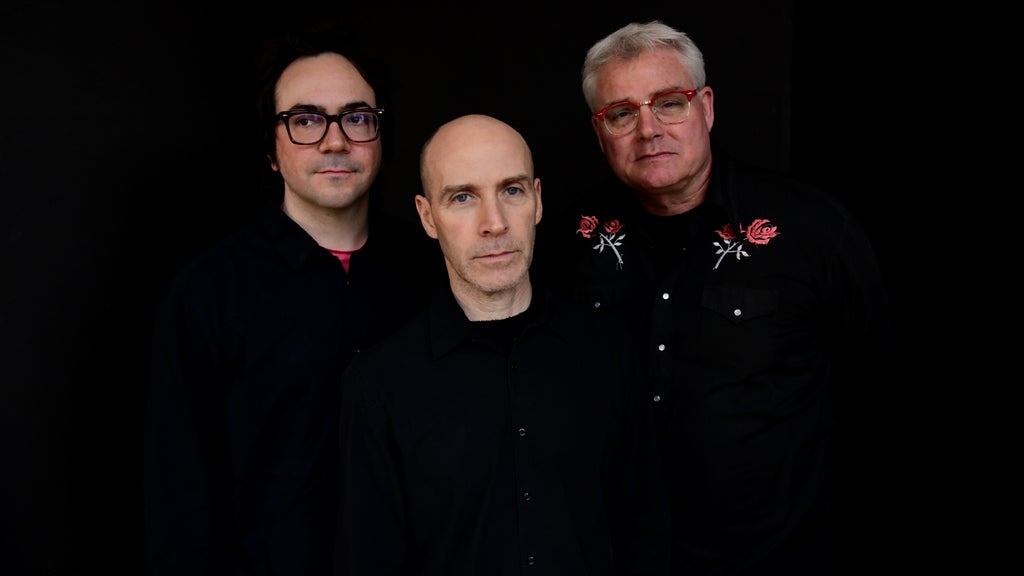
Staggering from the wreckage of a car accident that claimed seven lives and left him the sole survivor, The Ludlow Thieves’ front man, Danny Musengo, had a shift in perspective. He was finished working the midnight shift at a gas station on a highway in Iowa; he was moving to NYC and dedicating himself to music. Having grown up singing gospel songs in his church, music was where he found peace and purpose, especially after the accident.
The Ludlow Thieves are the realization of the sound, sensation, and dedication he had been pursuing since the accident.
Dan Teicher, the band’s guitarist and producer, had been looking—albeit, impatiently—for the right band for his entire life. With a master’s degree in classical music composition, he honed his craft while biding his time. He scoured NYC for band mates with similarly outsized ambitions that were capable of the enormous sound he dreamt of.
At a party, DT asked a friend if he knew any singers with a unique voice. The friend passed along the contact info for Danny Musengo, describing his sound as “Rod Stewart on two packs of smokes.” Within weeks, DT and Danny had met and were at work on The Ludlow Thieves, a moniker DT had cooked up while writing songs that would appear on the band’s debut.
Days before the duo was set to record some of the songs, the drummer scheduled for the sessions tore ligaments in his right hand. In a panic, DT contacted another mutual friend asking for a drummer that was “trained in jazz, had rock ferocity, and knows the pocket of a beat like a funk drummer.” He was given the name of Walker Adams, a Berklee Grad from the Upper West Side of Manhattan who had played with St. Vincent. The sessions went so well, musically and personally, that Walker was immediately asked to become a permanent member of the band.
Together, the trio have sculpted tunes equally at home in Nashville and Brooklyn. With a sound that is as enormous as it is exuberant, the music’s intensity can be traced back to a highway in Iowa where gratitude and purpose ignited a band.
The Ludlow Thieves are DT, Danny and Walker, but a revolving cast of hoodlums fleshes out their sound by shaking, scraping, banging, slapping, singing, stabbing, and seducing music out of their instruments. They have found friends in singers, pianists, string ensembles, orchestral brass players, jazz trumpeters and saxophonists, and countless audio engineers. These mischievous melodic mutts are essential to bringing The Thieves’ indulgences to musical fruition live and in the studio. All in all, there are over 30 instruments on their debut album.
The sound is occasionally lush and often covered in dust; it is a rustic exploration of the grand and the intimate through an American lens.
The songs and arrangements came easy, but the recording process was like trying to take a whale for a walk—a slow, challenging, and ambitious undertaking. Recalling the recording process, DT says, “Music is a demanding mistress, and this album had me asking for mercy at some points.” Sculpting the sound through a long process of trial, error, and trying again, the completed album is exactly what The Ludlow Thieves hoped it would be—an engaging, dynamic, experimental record with strong roots in the American songwriting tradition.
Still, before even releasing their first album, their music has been featured in commercials and films, and they have been voted Artist of the Month by New York’s premier independent music magazine, The Deli.
DT says he and the rest of the Thieves advise all listeners to keep a mop close by during initial listening sessions of the album—“there are going to be a lot of melted faces out there. Floors might get stained with the rock sauce.”
The Ludlow Thieves are the realization of the sound, sensation, and dedication he had been pursuing since the accident.
Dan Teicher, the band’s guitarist and producer, had been looking—albeit, impatiently—for the right band for his entire life. With a master’s degree in classical music composition, he honed his craft while biding his time. He scoured NYC for band mates with similarly outsized ambitions that were capable of the enormous sound he dreamt of.
At a party, DT asked a friend if he knew any singers with a unique voice. The friend passed along the contact info for Danny Musengo, describing his sound as “Rod Stewart on two packs of smokes.” Within weeks, DT and Danny had met and were at work on The Ludlow Thieves, a moniker DT had cooked up while writing songs that would appear on the band’s debut.
Days before the duo was set to record some of the songs, the drummer scheduled for the sessions tore ligaments in his right hand. In a panic, DT contacted another mutual friend asking for a drummer that was “trained in jazz, had rock ferocity, and knows the pocket of a beat like a funk drummer.” He was given the name of Walker Adams, a Berklee Grad from the Upper West Side of Manhattan who had played with St. Vincent. The sessions went so well, musically and personally, that Walker was immediately asked to become a permanent member of the band.
Together, the trio have sculpted tunes equally at home in Nashville and Brooklyn. With a sound that is as enormous as it is exuberant, the music’s intensity can be traced back to a highway in Iowa where gratitude and purpose ignited a band.
The Ludlow Thieves are DT, Danny and Walker, but a revolving cast of hoodlums fleshes out their sound by shaking, scraping, banging, slapping, singing, stabbing, and seducing music out of their instruments. They have found friends in singers, pianists, string ensembles, orchestral brass players, jazz trumpeters and saxophonists, and countless audio engineers. These mischievous melodic mutts are essential to bringing The Thieves’ indulgences to musical fruition live and in the studio. All in all, there are over 30 instruments on their debut album.
The sound is occasionally lush and often covered in dust; it is a rustic exploration of the grand and the intimate through an American lens.
The songs and arrangements came easy, but the recording process was like trying to take a whale for a walk—a slow, challenging, and ambitious undertaking. Recalling the recording process, DT says, “Music is a demanding mistress, and this album had me asking for mercy at some points.” Sculpting the sound through a long process of trial, error, and trying again, the completed album is exactly what The Ludlow Thieves hoped it would be—an engaging, dynamic, experimental record with strong roots in the American songwriting tradition.
Still, before even releasing their first album, their music has been featured in commercials and films, and they have been voted Artist of the Month by New York’s premier independent music magazine, The Deli.
DT says he and the rest of the Thieves advise all listeners to keep a mop close by during initial listening sessions of the album—“there are going to be a lot of melted faces out there. Floors might get stained with the rock sauce.”
Street Smells

“New York City smells and we like playing psychedelic rock songs. xo” Street Smells
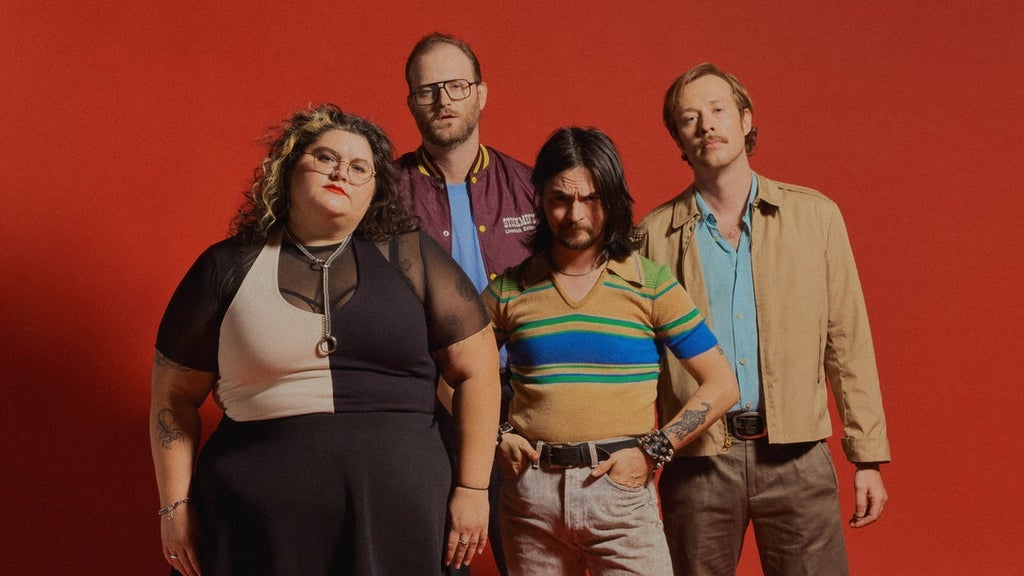
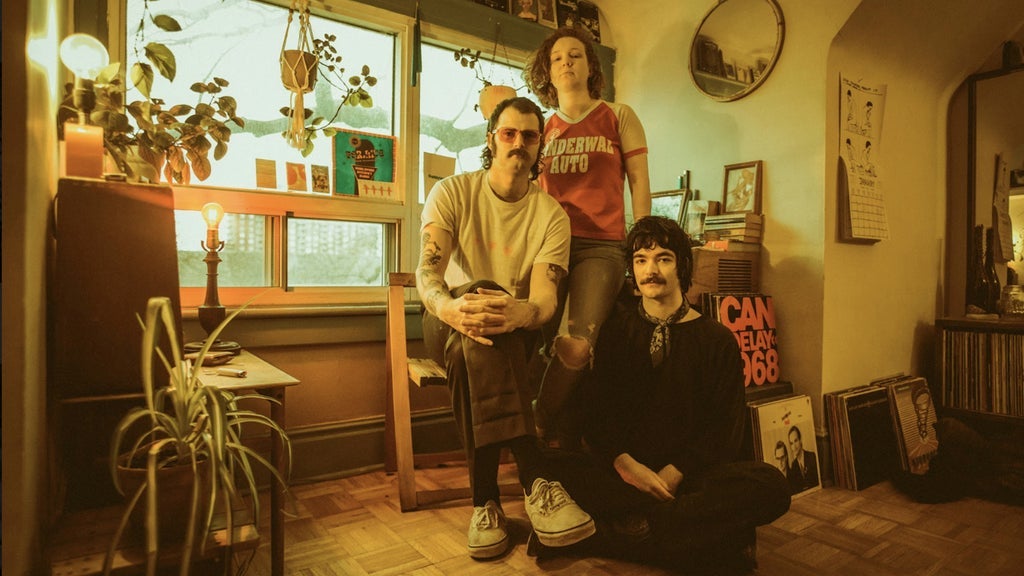
Walk down dingy Eldridge Street where the Lower East Side gives to Chinatown and you'll know where this band found their name. Street Smells started playing under the psychadelic rock and roll banner in 2011 and have been tripping on noise ever since. They are set to release their debut LP, Creamy in October 2012. Alongside other mediums, Evie, Jonny, Seymore and Ryan Street use their traditional fuzz lineup to create epic vibes.