El Ten Eleven
Michna, Beacon
Tue, October 23, 2012
Doors: 8:00 pm / Show: 9:00 pm
The Bowery Ballroom
New York, NY
$12 advance / $15 day of show
Tickets
This event is 18 and over
El Ten Eleven

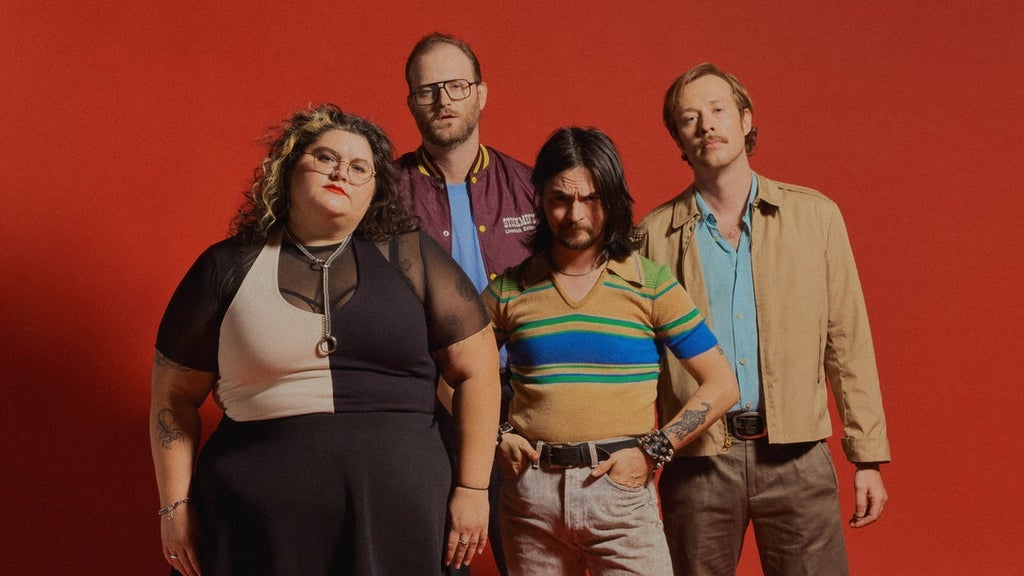
"I really hope people don't say that we are a math rock band!" doubleneck guitar/bass virtuoso Kristian Dunn exclaims while discussing his duo, El Ten Eleven's, new album Transitions. Acoustic and electronic drummer Tim Fogarty adds, "We get labeled all kinds of things from post-rock to ambient to experimental... all of those make us cringe. So far my personal favorite label for the band has been 'Power Duo'... it's kind of ridiculous but I like it."
Despite the absence of lyrics, their latest release, their fifth studio full-length album, may be the most personal to date. "Tim and I have been through a lot in the past couple of years," Dunn reflects. "We've both been divorced, moved to different cities, Tim went through some really dark times, I got remarried and had a kid … for a while things were uncertain and we threw ourselves into the new record and it called for more than just short pop structures."
Thus, the title track, "Transitions," which clocks in at over ten minutes long, is a twisting journey of sublime unpredictability. But the band's ability to write catchy, emotional hooks hasn't been lost.
"The problem I have with most math rock bands or prog rock bands is that they are usually just showing off for other musicians. 'Ooh! Look what I can do!' We're just not interested in that. We want girls to come to our shows, too!"
And they do. The band has been touring almost non-stop for the last eight years. 2012 has already seen them headline their own tours as well as play big festivals such as Capitol Hill Block Party, Camp Bisco, Osheaga and more.
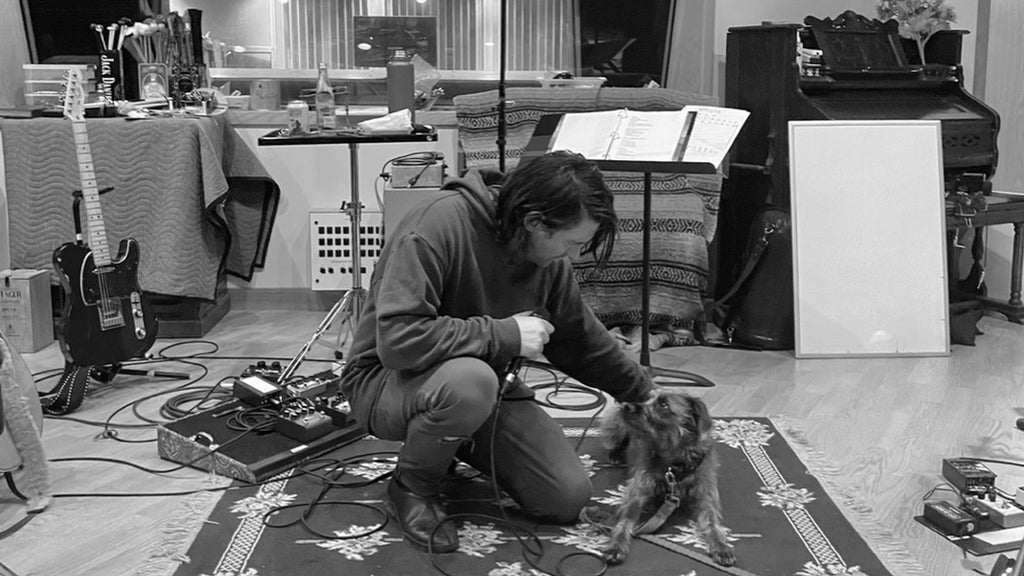
Armed with merely a doubleneck bass/guitar, drums and a dizzying array of foot pedals, the band creates complex, deeply felt music, from scratch, onstage, with no help from laptops, click tracks or additional musicians. They utilize multiple looping pedals to create songs that sound as though they are being played by at least six people. Most first-timers to an El Ten Eleven show are stunned that the band is a duo.
Despite the absence of lyrics, their latest release, their fifth studio full-length album, may be the most personal to date. "Tim and I have been through a lot in the past couple of years," Dunn reflects. "We've both been divorced, moved to different cities, Tim went through some really dark times, I got remarried and had a kid … for a while things were uncertain and we threw ourselves into the new record and it called for more than just short pop structures."
Thus, the title track, "Transitions," which clocks in at over ten minutes long, is a twisting journey of sublime unpredictability. But the band's ability to write catchy, emotional hooks hasn't been lost.
"The problem I have with most math rock bands or prog rock bands is that they are usually just showing off for other musicians. 'Ooh! Look what I can do!' We're just not interested in that. We want girls to come to our shows, too!"
And they do. The band has been touring almost non-stop for the last eight years. 2012 has already seen them headline their own tours as well as play big festivals such as Capitol Hill Block Party, Camp Bisco, Osheaga and more.
Armed with merely a doubleneck bass/guitar, drums and a dizzying array of foot pedals, the band creates complex, deeply felt music, from scratch, onstage, with no help from laptops, click tracks or additional musicians. They utilize multiple looping pedals to create songs that sound as though they are being played by at least six people. Most first-timers to an El Ten Eleven show are stunned that the band is a duo.
Michna

Growing up in both NY and Miami, Michna (real name: Adrian Michna) is that unique breed of artist that draws from both the urban and the tropical. As a youngster, Adrian started DJing parties with cassettes and playing trombone in a band on the NYC bar circuit including the infamous Lion's Den and CBGB's.
After moving to Miami in the mid-90's, he co-founded the pioneering Secret Frequency Crew, who deftly mixed instrumental hip-hop and electronic into a coherent whole. Their appropriately titled 12" "Miami Eyes," became an underground hit and caught the attention of a then-unknown Diplo who would ask him for production work. SFC's debut LP "Forest of the Echo Downs" also put Adrian on Ghostly's radar as it was one of label founder Sam Valenti IV's top LPs in 2004.
Currently based in Brooklyn NY, Adrian Michna (aka DJ Egg Foo Young) has become a staple in the NYC club scene, known for his chameleon like abilities. Outside of the club, he has been able to pursue a few hobbies such as building furniture, bicycles, photography, skeeball, and gloss lustre collages. While working on his solo album, he also found time to remix the mysterious Jandek (the only artist ever to do so) and produce on Brazilian group Bonde Do Role's debut LP for Domino/Mad Decent.
It seems Adrian has found his stride as a solo artist, bringing together his myriad influences into a succinct sonic personage. His debut LP "Magic Monday" and the elevating single "Triple Chrome Dipped" are works of distinction and taste, getting asses on the floor in style.
After moving to Miami in the mid-90's, he co-founded the pioneering Secret Frequency Crew, who deftly mixed instrumental hip-hop and electronic into a coherent whole. Their appropriately titled 12" "Miami Eyes," became an underground hit and caught the attention of a then-unknown Diplo who would ask him for production work. SFC's debut LP "Forest of the Echo Downs" also put Adrian on Ghostly's radar as it was one of label founder Sam Valenti IV's top LPs in 2004.
Currently based in Brooklyn NY, Adrian Michna (aka DJ Egg Foo Young) has become a staple in the NYC club scene, known for his chameleon like abilities. Outside of the club, he has been able to pursue a few hobbies such as building furniture, bicycles, photography, skeeball, and gloss lustre collages. While working on his solo album, he also found time to remix the mysterious Jandek (the only artist ever to do so) and produce on Brazilian group Bonde Do Role's debut LP for Domino/Mad Decent.
It seems Adrian has found his stride as a solo artist, bringing together his myriad influences into a succinct sonic personage. His debut LP "Magic Monday" and the elevating single "Triple Chrome Dipped" are works of distinction and taste, getting asses on the floor in style.
Beacon

Thomas Mullarney and Jacob Gossett, aka Brooklyn duo Beacon, introduced themselves to the world with the No Body and For Now EPs, both released last year on Ghostly International. The EPs were united by minimalist, R&B-influenced instrumentation, and also by a lyrical theme, with both serving as meditations on the darkness that underpins the most intense of human emotions: love.
The duo's debut album The Ways We Separate both consolidates and develops these ideas. The album focuses, as the title suggests, on the idea of separation — both within the context of relationships and in a more intimate, psychological sense. As Mullarney explains, "The narrative contained inside The Ways We Separate deals with two kinds of separation: one where two entities grow apart, and the other where we grow apart from ourselves. Over the course of a relationship, the two sometimes happen together, one being the result of the other."
Desires, passions and regrets are central to the songs on The Ways We Separate, which take a variety of perspectives to construct a nuanced reflection on the album's central theme. 'Between the Waves' draws a clever analogy between relationships and soundwaves falling out of phase: "I know all the ways we separate/ Where we start to fade at different frequencies." 'Overseer' catalogues a parting of the ways with discomfiting clarity: "Isn't it fine?/ Taking it slow?/ Watching you watch me walk out your door." And album closer 'Split in Two' explores how th extremes of love and loss can take you far away from being the person you thought you were, making explicit the connection between the two ideas of separation: "What I'd do for you?", sings Thomas Mullarney, "Split myself in half/ Divided into two."
Musically, The Ways We Separate finds Beacon working with a richer sonic palette than ever before —as Gossett says, "The production on this album is much more expansive than anything we’ve done thus far. We spent a lot of time exploring new gear and experimenting with how to pull a wide range of sound out of various instruments. Some of the key sonics that shaped this LP are analogue synthesis, lots of heavily processed guitar work, and vocal layering/processing." While the abiding mood remains that of late-night introspection, the production draws from elements of hip hop and a wide gamut of electronic music, marrying intricate beats and subtle textures to honeyed pop melodies that belie the album's conceptual depth. Rarely has bleakness sounded so pretty — this is a record that's deceptively, compellingly beautiful, an exploration of a place both discomfiting and darkly seductive.
The duo's debut album The Ways We Separate both consolidates and develops these ideas. The album focuses, as the title suggests, on the idea of separation — both within the context of relationships and in a more intimate, psychological sense. As Mullarney explains, "The narrative contained inside The Ways We Separate deals with two kinds of separation: one where two entities grow apart, and the other where we grow apart from ourselves. Over the course of a relationship, the two sometimes happen together, one being the result of the other."
Desires, passions and regrets are central to the songs on The Ways We Separate, which take a variety of perspectives to construct a nuanced reflection on the album's central theme. 'Between the Waves' draws a clever analogy between relationships and soundwaves falling out of phase: "I know all the ways we separate/ Where we start to fade at different frequencies." 'Overseer' catalogues a parting of the ways with discomfiting clarity: "Isn't it fine?/ Taking it slow?/ Watching you watch me walk out your door." And album closer 'Split in Two' explores how th extremes of love and loss can take you far away from being the person you thought you were, making explicit the connection between the two ideas of separation: "What I'd do for you?", sings Thomas Mullarney, "Split myself in half/ Divided into two."
Musically, The Ways We Separate finds Beacon working with a richer sonic palette than ever before —as Gossett says, "The production on this album is much more expansive than anything we’ve done thus far. We spent a lot of time exploring new gear and experimenting with how to pull a wide range of sound out of various instruments. Some of the key sonics that shaped this LP are analogue synthesis, lots of heavily processed guitar work, and vocal layering/processing." While the abiding mood remains that of late-night introspection, the production draws from elements of hip hop and a wide gamut of electronic music, marrying intricate beats and subtle textures to honeyed pop melodies that belie the album's conceptual depth. Rarely has bleakness sounded so pretty — this is a record that's deceptively, compellingly beautiful, an exploration of a place both discomfiting and darkly seductive.