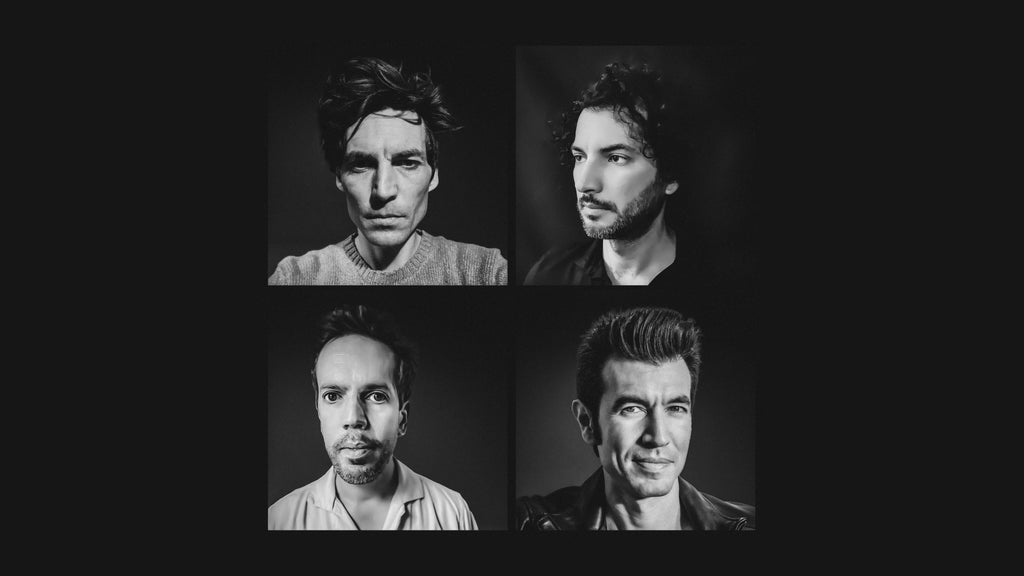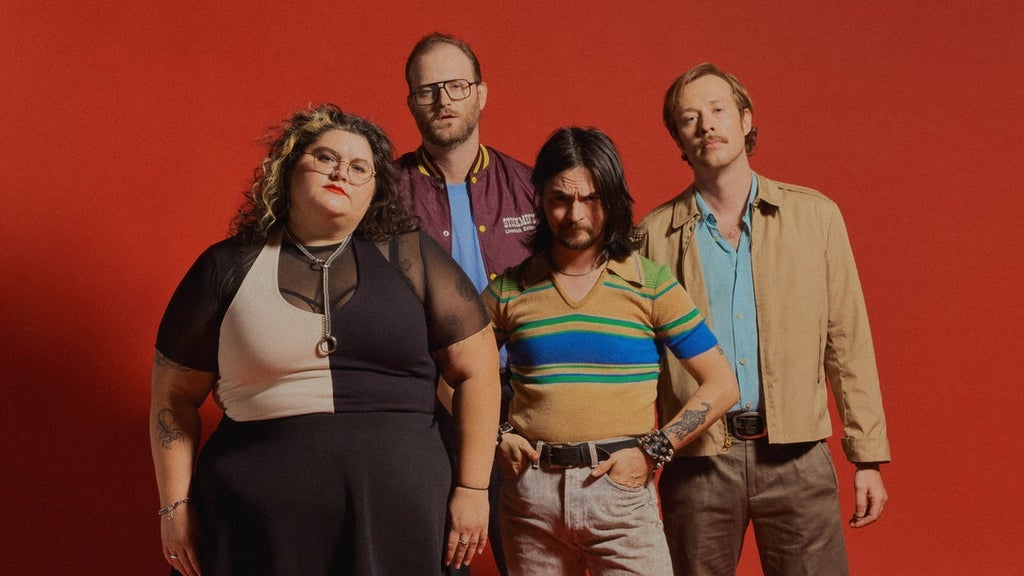
stops at Lollapalooza, Glastonbury (UK), Sasquatch, Monolith and tours with The Walkmen, Spoon, Richard Swift, The Cribs, White Denim and Tokyo Police Club) White Rabbits hunkered down in their Brooklyn practice space to set about re-envisioning the dark pop of their debut Fort Nightly, while adding new sounds and influences to achieve an original work. The result is It's Frightening, their second full-length album.
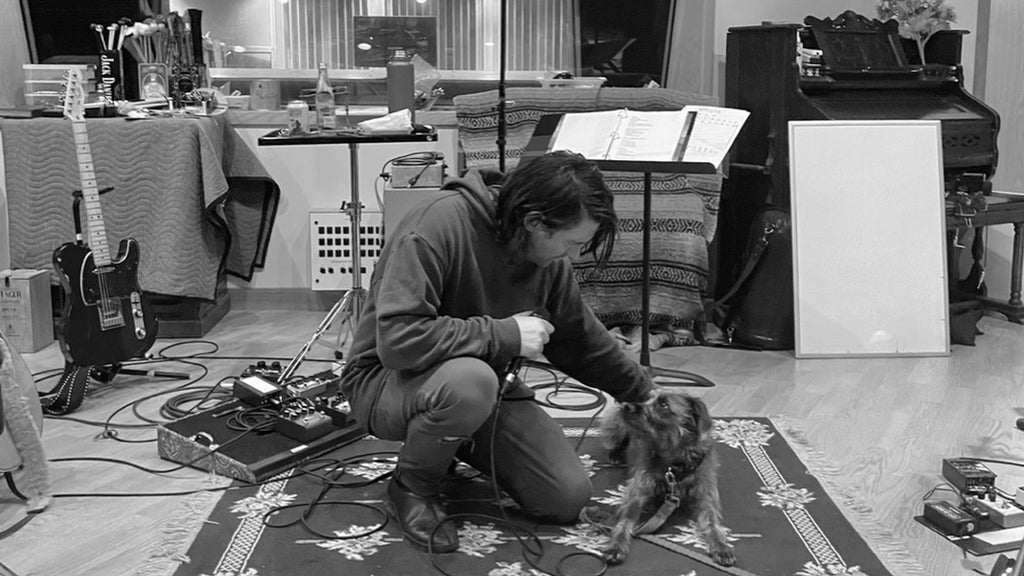
White Rabbits signed to TBD Records (US home to Radiohead/Other Lives/Hatcham Social) and erected a makeshift studio in their basement rehearsal space to demo new material. Band members popped in and out over the course of several months lending ideas and personality to a new batch of songs that defy instant categorization. After enlisting tourmate, friend and songwriter Britt Daniel (Spoon) as producer, the pair began the process of exchanging demos between Brooklyn and Portland. White Rabbits recorded It's Frightening over the course of four weeks, only taking a break to play the Transmusicales Festival in Rennes, France. The sessions were recorded by visionary engineer Nicholas Vernhes (Animal Collective, Deerhunter) at Rare Book Room in Brooklyn, NY. Taking special care to recreate the unhinged nature of the original demos, the band utilized the wide range of tools in the analog-friendly studio to shape the personal spirit infused in the new tracks. Upon the completion of tracking, White Rabbits traveled to Austin, TX to mix the record with studio wizard Mike McCarthy (Spoon, Trail Of Dead) using his exceptional ears to transform It's Frightening into a uniquely rewarding headphone experience.
It's Frightening plays like a classic reel of tape from start to finish. Opening with the visceral drums of "Percussion Gun," it is clear that time-off from the road has served the band well. The many highlights include the emotional centerpiece "Company I Keep," the new sonic territory of "Lionesse" and the macabre lyrics of "Right Where They Left." Fans of Fort Nightly will find much to go weak in the knees over and new listeners are in for an awakening as White Rabbits flip the switch on an already impressive beginning. It's Frightening is a journey into the playfully dark musings of Everyman.
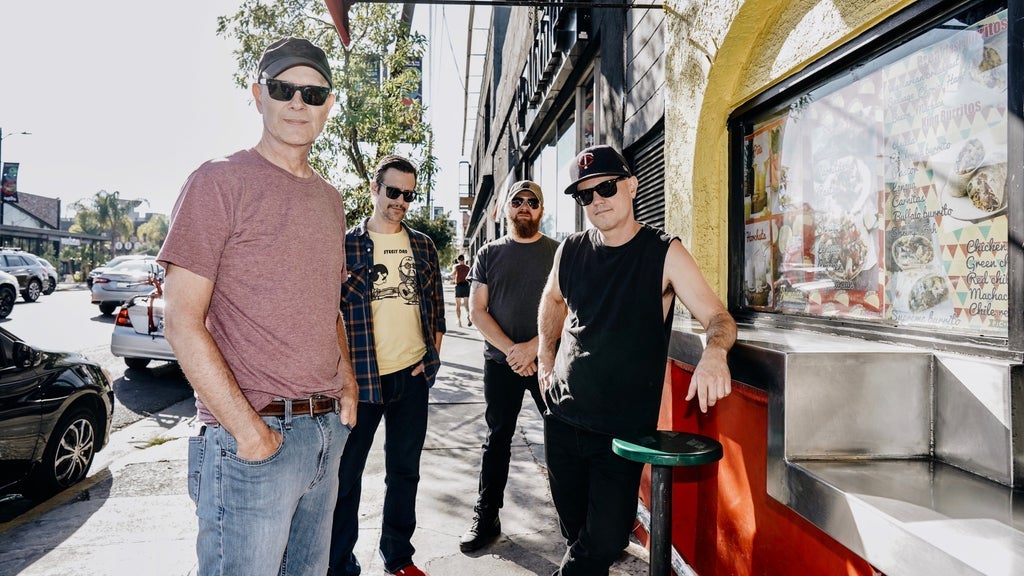
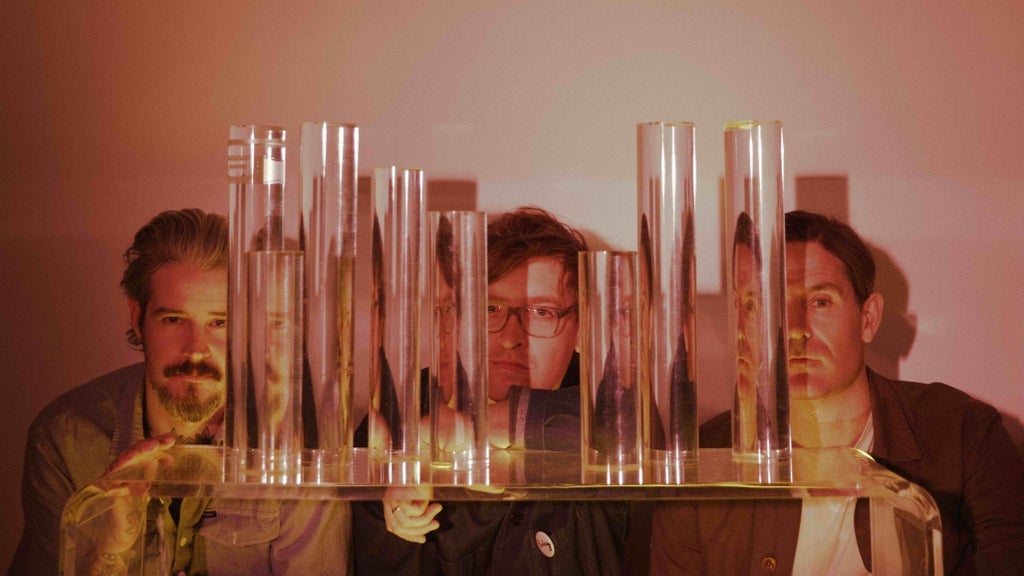
The lineup : Stephen Patterson (vox/piano), Jamie Levinson (drums), Matthew Clark (drums, guitar), Alex Even (guitar), Gregory Roberts (guitar/vox).
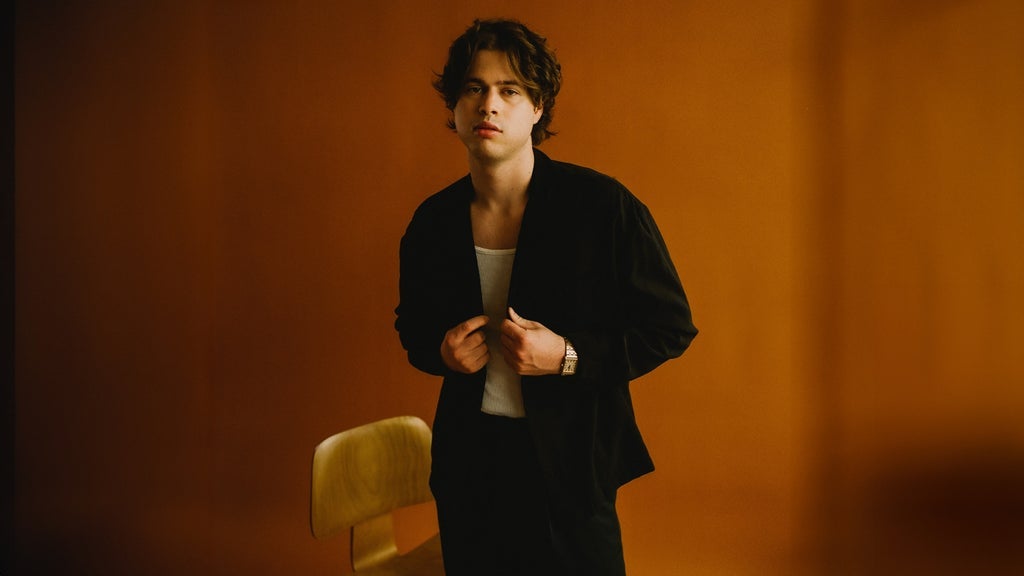
Sometimes you have to put yourself first, no matter how difficult that notion seems; no matter how much time and effort you’ve already put into this one person—the person who’s reduced your very being to its absolute core. Just ask Peter Silberman, the string-pulling founder of The Antlers, a solo project that suddenly went widescreen on the self-released Hospice LP (now receiving a proper widespread pressing through Frenchkiss). The first Antlers effort to feature two key permanent players—powerhouse drummer Michael Lerner and the layer-lathering multi-instrumentalist Darby Cicci—it’s an album with a sound that’s actually as ambitious as its concept.
“Hospice came from the idea of caring for a terminal patient who’s mentally abusive to you,” says Silberman. “You don’t have the right to argue with them, either, because they’re the one who’s dying here; they’re the one that’s been dealt a wrong hand. So you take it, but you can only take so much. Eventually, you realize that this person is just destroying you.”
Appropriately enough, Hospice’s 10 distinct chapters resonate on debilitating sonic and lyrical levels, from the hypnotic harp and tension-ratcheting build of “Two” to the sing-or-sink choruses of “Bear” and the speaker-rattling peaks of “Sylvia,” easily one of the year’s most immediate epics. It’s here, amidst contrasting shards of ambient noise, sweeping strings and smoky horns, where The Antlers truly transcend Silberman’s singer-songwriter beginnings—a striking escalation of expectations first hinted at on 2008’s New York Hospitals EP. The progression doesn’t end there, either. In a move that could be taken as the riff-raking extension of his thorough guitar training (from the age of 6 ‘til right before college), “Atrophy” and “Wake” delve into sheets of distortion, subtle shades of soul, cicada-like effects and enough movements to fill an entire EP.
“We were going for something that’d be dense but not too complicated,” explains Silberman. “I hate the word ‘lush,’ but I guess that’s the best way of describing it. The structures are like pop songs—verse/chorus, verse/chorus—but the sound is a little more shoegaze-y or post-rocky.”
It’s about to get even more complicated, too, as The Antlers’ Technicolor-tinged trio take all of Hospice’s songs—and three previous releases—in a completely different direction, jettisoning a note-for-note rendition of the record for “a massive sound” doused in delay, reverb and unrehearsed chaos. And to think Cicci was a stage actor with a desire to drop it all for music just a few years ago.
“Hospice was the clear indication that this isn’t a singer-songwriter thing at all,” says Silberman. “Whatever we record next is going to define the three of us as a ‘band.’
He continues, “I always figured I’d be the ‘shredder’ in a group…But things somehow ended up this way.”
“We were at Barnes & Noble today and I was so excited to see Maximum Rock’n’Roll’s still publishing,” says Cymbals Eat Guitars bassist Neil Berenholz, his eyes widening at the very thought. “Joe was just like, ‘What’s that?’”
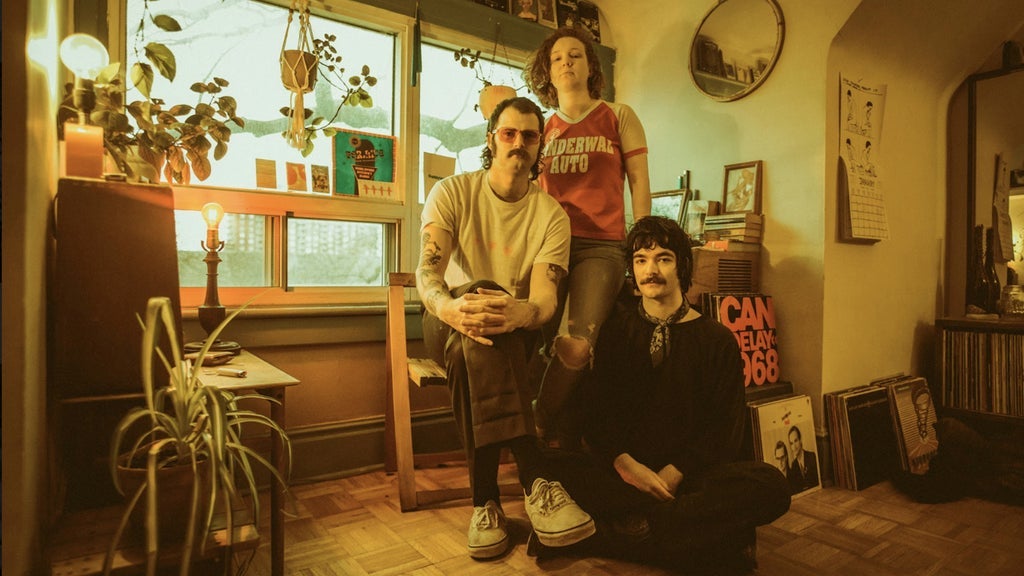
Welcome to one of the many contradictions that have shaped Cymbals since the spring of 2008. First, there’s that age thing, with 32-year-old Berenholz hailing from the golden age of bedroom recordings, screen-printed T-shirts and Kinko’d zines, and the rest of the group reared on genre-jumping iPods and Web sites that can propel or pulverize an artist’s entire career with a single review. As frontman Joseph D’Agostino—the band’s co-founder along with drummer Matthew Miller—is quick to admit, “I’ve been reading Pitchfork since I was in ninth grade.” Which was also when he discovered “Shady Lane” and started shedding the alt-rock influences that informed the cover songs he and Miller hammered out in high school.
The duo’s in college now, so it seems rather fitting that their full circle moment didn’t involve a capsule review in a print magazine; it happened when Pitchfork bestowed the band’s DIY debut, Why There Are Mountains, with a “Best New Music” stamp soon after its soft release. And we do mean soft. While many buzz-minded new artists dive straight into Brooklyn’s bustling music scene, Cymbals Eat Guitars were happy fine-tuning tracks from the outside, looking in—first in elaborate demos with the Wrens’ Charles Bissel (starting way back in the summer of 2007, before the group even had a name), and finally in a proper studio with Kyle “Slick” Johnson (Modest Mouse, The Hives). Like many other early fans, Johnson inadvertently discovered Cymbals Eat Guitars on New York’s Lower East Side circuit, playing the kind of early sets that come with being spread between Staten Island, Manhattan and Queens.
“We didn’t know anybody in the beginning,” says D’Agostino, “So it was hard to get any shows.”
“And since no one was pursuing us,” continues Berenholz, “We had to pursue opportunities ourselves.”
On a practical level, this has led the band to physically call the country’s most popular record shops and ask them to carry Mountains’ initial pressings. Lucky for them, the record sold itself, generating interest as far away as the UK’s influential Rough Trade shop and the NME, who wrote, "Why There Are Mountains may be one of the best 'indie' (the album is self-released, so, y'know, actually 'indie') albums of the year. And with the major label skyline being obliterated like something out of Independence Day, it's time to batten down the hatches."
Hype-raking reviews aside, there’s this important detail: Why There Are Mountains is a real album, a ‘grower’ that dishes out simple pleasures with every spin. Aside from obvious recurring elements (D’Agostino’s restless yelp and sinuous riffs, Miller’s Wire-y rhythms paired with Berenholz’s melodic bass style, and the orchestral layers of keyboard), there are shades of shoegaze (the patient, feedback-bathed passages of “Share”), Motown (the buoyant bass lines of “Cold Spring”), and Technicolor-tinged pop (the breezy horns and schizo synths of “Indiana”). Not to mention pure chaos, as explored in the gate-crashing “…And the Hazy Sea,” the tension-ratcheting “Like Blood Does,” and the final, throat-tearing moments of “Wind Phoenix (Proper Name).”
As for what’s next, well, one new song already has a “lazy guitar line” that’s indebted to indie pop, floating over a disco inspired rhythm section.
“You guys are laughing,” says Berenholz (and they are), “but that’s what I’m talking about here—people bringing different influences to the table, until my chocolate’s clearly in your peanut butter.”
“We aren’t shying away from the dance beats,” adds D’Agostino.
“Sometimes,” says Miller, smiling, “they are appropriate.”