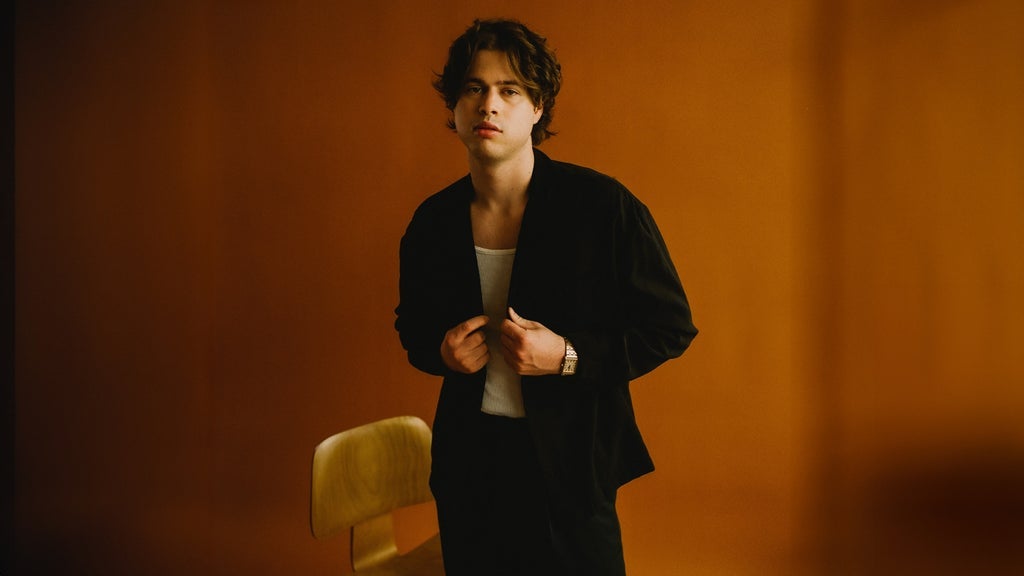
Montezumas frontman Kristian Matsson started recording a set of rustic, gravelly-voiced tunes, ones that nodded to fellow Swedes Homesick Hank and Thomas Denver Jonsson, under the nom de solo act the Tallest Man on Earth in the early 2000s. His self-titled debut EP was released on Sweden's Gravitation Records in 2006. The "Pistol Dreams" single followed one year later, leading up to the release of the Tallest Man on Earth's first full-length album, Shallow Grave, which hit stores in 2008.
- Margaret Reges, allmusic.com
Growing up in Florida and Georgia before moving to Potomac, MD, at the age of 11, indie rock innovator John Vanderslice grew up listening to a mix of Led Zeppelin, Creedence Clearwater Revival, the Kinks, and Southern rock, which instilled an eclectic musical vocabulary. Forced into piano lessons as a child, he eventually picked up the guitar in the eighth grade and formed several bands during his teen years. His songwriting added influences from David Bowie, the Beatles, Bob Dylan, King Crimson, XTC, and early Genesis, culminating in his five-year tenure with the much-heralded experimental pop band MK Ultra. - Matt Fink, All Music Guide
Not Even in July is the kind of record you have to live before you can write. The album is an exquisitely crafted and painfully human collection of songs that exhibit the measured persistence and spectral beauty of a breaking dawn. It feels as weathered and wise as an old home— alive, lived-in and loved. Like the family cabin in the Adirondacks where he writes, Not Even in July is Marchant’s safe and solitary haven— his place of emotional harborage.
Jesse Marchant, who records under his initials, JBM, was born and raised in his family’s homes in the Adirondacks and Montreal. Classically trained on guitar from the age of 7, he had always written instrumental songs as a means of expression, but it wasn’t until recent years that he began writing lyrics, singing and recording. After a decision to withdraw, he retreated to his family’s home in the mountains, to live in seclusion and fully realize songs that he’d written while living in Los Angeles, in what he’s described as a somewhat strange and solitary three-year existence.
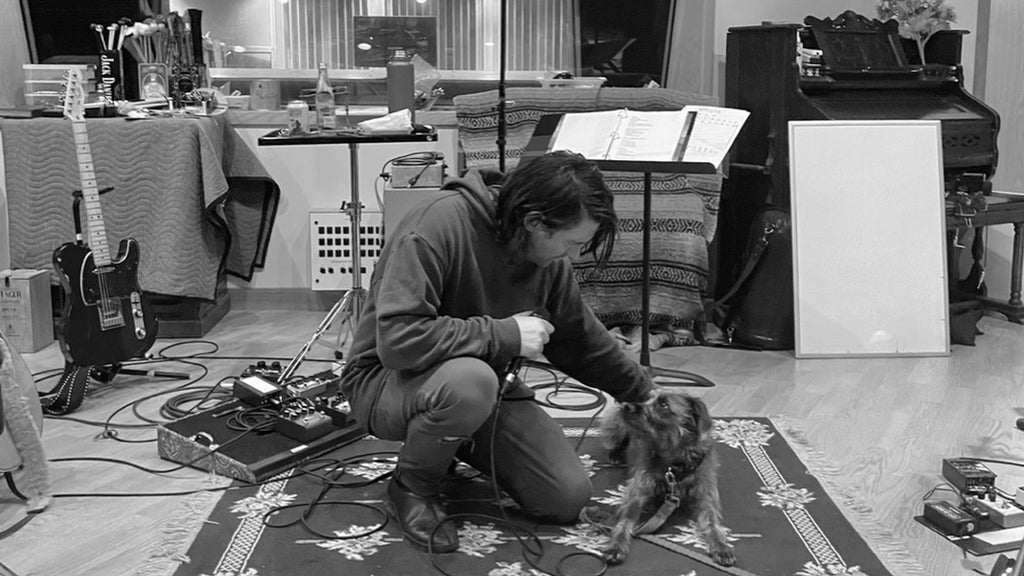
After shaping and working an album’s worth of music, Jesse got in contact with Henry Hirsch who took instantly to the demos and the two, with a few visiting musicians, made the record in just two short weeks at Hirsch’s 19th Century church studio in Hudson, NY.
Not Even In July is a mostly acoustic venture, textured thoughtfully by Marchant’s atmospheric arrangements, lyrical purity and unaffected baritone— that is as grand in its haunting restraint as it is in its emotional vitality. “Years,” a lulling, finger-picked instrumental slips into “Cleo’s Song,” a ghostly reverie on loneliness and despair, while “Ambitions & War” targets Los Angeles, in a shuffling indictment of greed and inhumanity. “July on the Sound” crashes delicately and darkly through scenes of death, love and life; “From Me to You and You to Me” weaves a lazy, spiraling plea; and the resolute beat of “Friends For Fireworks” swings from the optimism and beauty of sunset to the dark finality of night. The album closes with “Red October” and its piano-drenched memories of a love lost, and “Swallowing Daggers”, a hopeless declaration of concern for a loved one gone off the rails.
Not Even In July is an improbably stunning feat from a man who, until this point in his life, had never considered being a musician or playing his songs live until this year (he’s now shared the stage with St. Vincent, Elvis Perkins, Tallest Man on Earth). It plays out like a painstakingly elegant, yet brutally honest break-up letter written by Marchant and addressed to many: a lover, a dying friend, a piece of himself and a passing phase of life. But it’s also a love letter— to what comes next, and to finally coming home.