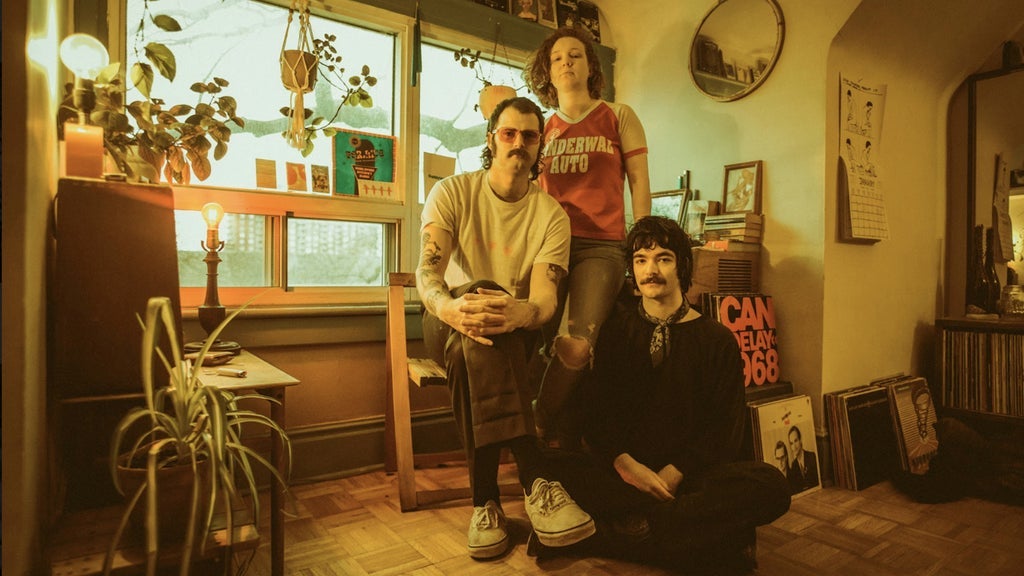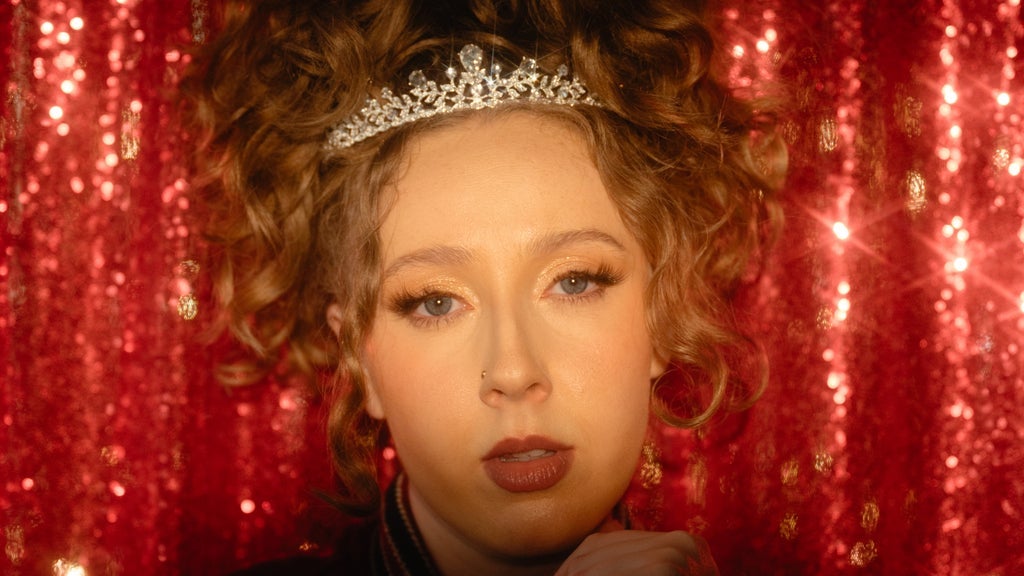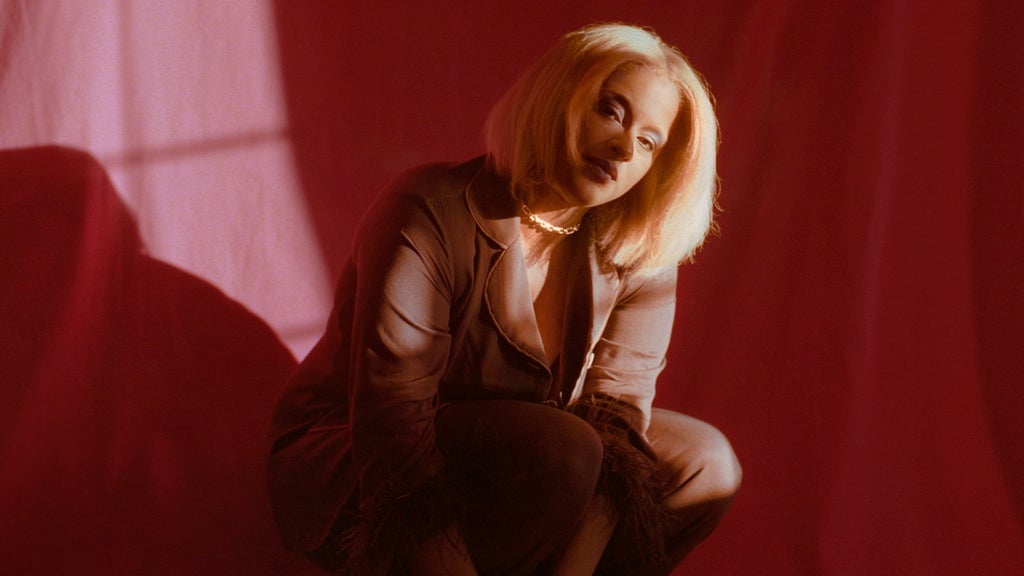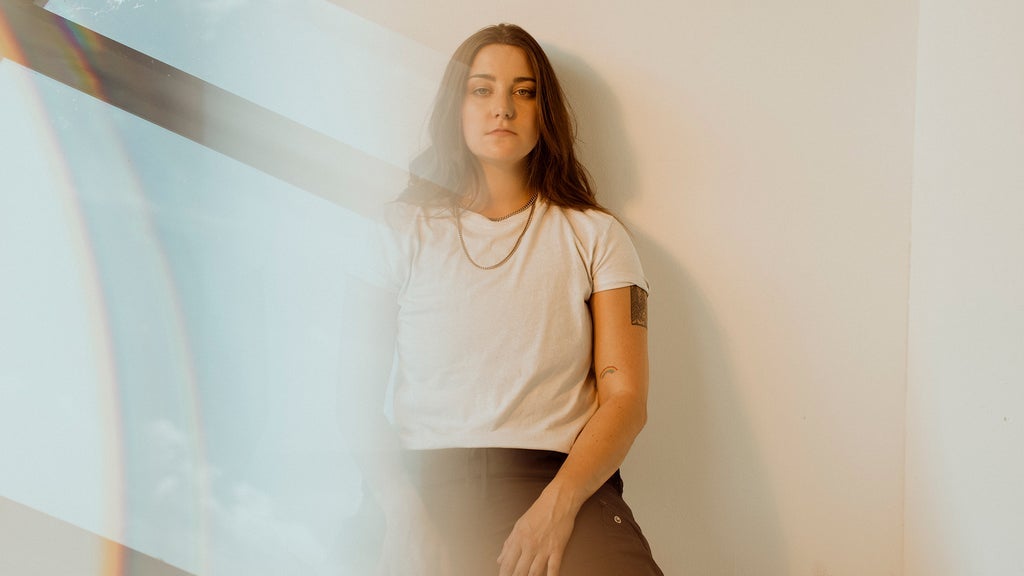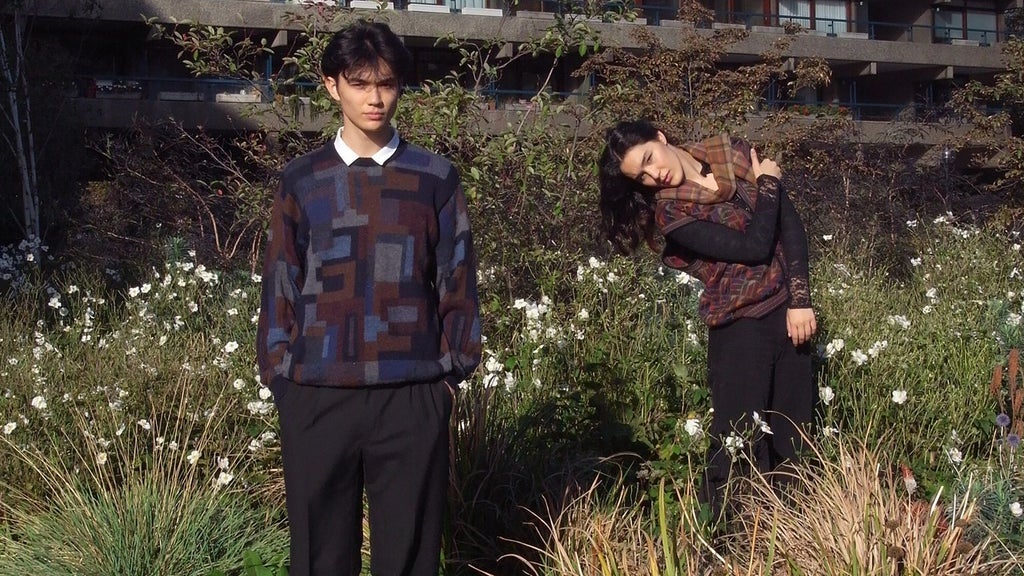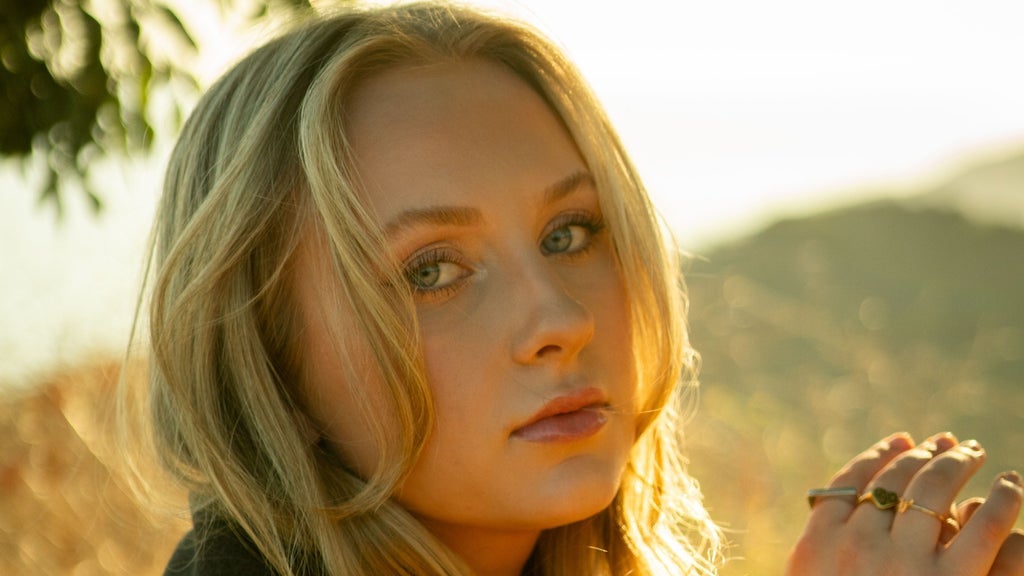
Those Darlins are a pop group, if they are any one thing, which doesn't mean anybody with ears can't hear the country and rock 'n' roll in their sound and stance. Or maybe this trio of young women (early twenties, although no one's telling exactly), who live a long stone's throw from Nashville, Tennessee in the college town of Murfreesboro, are punks straight out of London or Cleveland, 1977.
Informed by Nashville and its intersecting indie, pop, and country scenes—and aware of the twisted tradition of Appalachian roots music that stretches back beyond the Carter Family, Those Darlins are, nevertheless, not of Nashville. They write their own songs, record in New York City with producer Jeff Curtin (whose credits include Vampire Weekend’s debut), and talk convincingly about female empowerment, music history, and egalitarian ideals of performance and business. And, in practice, they are rockers. In the backyard of their shared suburban house—which is littered with musical instruments and cast-off whiskey bottles, they stick wires in the spindle holes of old LPs, hang them from the magnolia tree, and shoot them with BB guns. They’re good shots.
The musicians in question are Kelley Darlin, the group's bassist, Jessi Darlin, who plays guitar, and Nikki Darlin, on baritone ukulele. Everyone sings. Everyone writes.
Kelley, who hails from South Carolina and started playing music at an early age, founded the Southern Girls Rock & Roll Camp in Murfreesboro, after volunteering at the original GRRC in Portland, Oregon. Jessi, a Kentucky girl whose parents were artists and fostered her musical aspirations, was one of the original participants in SGRRC and met Kelley there. Eventually, they hooked up with Virginia native Nikki, whose father played classic rock in bands, frequently covering material such as Jerry Irby's honky-tonk classic "Drivin' Nails in My Coffin."
Those Darlins went live in 2006; the ladies lined up side-by-side on stage and just let it rip. The band attracted immediate attention for their rowdy, cheerfully sarcastic, and sometimes booze-fueled live show and the unique interplay of their distinct personalities.
Since then, Those Darlins have been engaged in the time-honored practice of extensive touring, rock 'n' roll-style. 2008 saw them perform with Boss Hog, Ida Maria, O'Death, Deer Tick and Heartless Bastards, and 2009 got under way with a headlining tour that garnished a New York Times Pick, a Boston Globe “Band to Break in ’09” nod, and coverage in Bust and American Songwriter. Most recently, they accompanied garage-blues conceptualist Dan Auerbach (The Black Keys) a nationwide ten-city jaunt, capping off the trip with an explosive buzz-band debut at South by Southwest.
They've charmed audiences all over the country and, in return, have gotten the kind of press befitting a powerhouse phenomenon. Pitchfork’s, Amy Granzin praised their "nimble rockabilly swing." Writing about one of the Darlins’ seven raucous, confident performances at SxSW, Billboard's Bill Werde dubbed them "Best Band I Didn't Really Know Before I Got to SXSW," and went on to describe them as "Patsy Cline for the punk era," and in the New York Times, veteran journalist David Carr reported, "In a world of emo-boys and reluctant band leaders, Those Darlins, country-punk pals from Murfreesboro, Tenn., had a comically leering sexuality and the kind of abandon that seems scarce these days." Paste and USA Today, among others, listed the Darlins among their favorites of the entire festival.
Whether or not they're the embodiment of Patsy Cline, or the latest in a series of rockabilly acolytes intent on reinventing rock 'n' roll, they're absolutely not reluctant on any level. With their ease on stage, they're in charge all the way. In the studio, they've come up with the kind of debut that marks territory and jumps the fence of mere genre.
In the great rock tradition, their debut album is self-titled and self-penned. Those Darlins was cut at Curtin’s Brooklyn studio, Treefort, and his basement studio, 222 (also home to Pitchfork TV’s “Juan’s Basement”). It gives new life to crowd-pleasers they've perfected over the last three years, like "The Whole Damn Thing," "Wild One" and "Snaggletooth Mama."
When it comes to their music, what results from Those Darlins’ combination of unique influences—they mention everything from The Black Lips to Ernest Tubb to Tav Falco as touchstones—is a flair for concise, unforgettable pop tunes and a completely non-doctrinaire take on the more deadpan aspects of hickdom. The Darlins have a genius for catchy titles, and are expertly lay out their ethos in lyrics, reminding the listener that these women are tough, sexy and vulnerable. As New Yorker pop critic Sasha Frere-Jones notes, they deftly balance sweetness and grit… and there most definitely are strings attached. Those Darlins are rock ‘n’ roll at two-and-a-half minutes, minimalists to be reckoned with.
The band makes a good joke out of rural isolation and provincial idiocy in a way that goes well beyond ironic – proof the ladies can’t be pegged as indie. But what makes their songs exceptionally compelling is the reality principle to which Those Darlins adhere: Nikki and Jessi spent portions of their childhoods in places without electricity or plumbing, and the Flatwood Mall they write about in “Snaggletooth Mama” is a real place. Those Darlins don’t romanticize poverty or rural life; they understand it.
Those Darlins incorporates everything that has made the quartet (the trio, plus drummer Linwood Regensberg, otherwise known as “Sheriff Lin”) a fresh force. "Red Light Love," the first single, is about not losing the simplest joys of being in love, complete with distorted guitars and a classic rockin' bass line. Their version of A.P. Carter's "Cannonball Blues" throws in backwards guitars straight out of the Beatles' blue period, while "DUI or Die" is as catchy as Nick Lowe tune: "Better find a boy to take you home for the night," they alternatively suggest to female drinkers everywhere.
The forthcoming album is grounded in the old-time country they started out emulating, but its public face is pop with interludes, psychedelic guitars, and sly tales of triumph. And their live show is part grit, part glamour. They're aware of image and flash, of the need for speed and good-humored insurgency. In that regard, they're more Stiff Records than Carter Family, more pop experimentalists than google-eyed revivalists.
Like their punk predecessors, Those Darlins are partly about screwing around with established forms. This doesn’t make them a girl band—a term to which they seem resigned, but don’t especially embrace. For all that, they’re post-punk in the sense that they come from families that slightly subverted the idea of the American nuclear family. Their music—and their presentation—might not be explicitly feminist, but Those Darlins pay tribute to what Kelley calls “the really strong women in our lives.” Nikki gets typically to the point when she says, “There are fucking tons of dude bands out there and they’re not described as an all-male band.” Spoken like a true rock ‘n’ roller. -- EDD HURT
These punk rockers are wise beyond their years with a modest air of streetwise attitude. Fine musicians and hungry for action, they harken back to the days of The Clash with rambunctious protest music and pop rhythm flair. The So So Glos rocked critics and cynics alike at this year's SXSW and returned to Brooklyn with seemingly more energy than they left wtih. Rest assured, The So So Glos won't stop until the last barfly is singing along.
he world moves fat and slow under the green light of the bright corporate star. The modern times continue. the Prayers and Curses that were once known as songs continue to rise from the meditations of our hearts, and out of the crushed skull of north Alabama comes the Pine Hill Haints. With a core group of kindred spirits who enjoy performing music, the band travels and records often, mainly through the south, and randomly all over the world. There is an invisible union of junk musicians and storytelling friends who participate. The band started somewhere around 1998, and continues to work presently.
The sets never repeat, the songs always evolve and change, and the sound forever continues to adapt. The haints strive to capture the dark pulse that was once known and feared among people's, communities, and culteres, and this rambling, broken, and dead outfit seek to harness the madness of train jumping, lonesomeness, depression, ever lasting joy, and the final mystery of life and death.
The Pine Hill Haints have released a few records here and there over the years. Most were done themselves and sold out of the back of the van. Each member also works with other bands, recording strikingly different sounds and styles than that of the haints. Also, they are all active in local communities, hosting plays, theatre and music shows, as well as painting, screen printing, and tagging.
Maybe we are all doomed. Maybe things will move forward into darker times. The haints hope to continue into the void and perhaps remind each of us of a once brighter time. Spook the modern times. Infect the youth with a glow of something real, something you can dance to and sing along with, something that makes you feel real.
-krecs.com