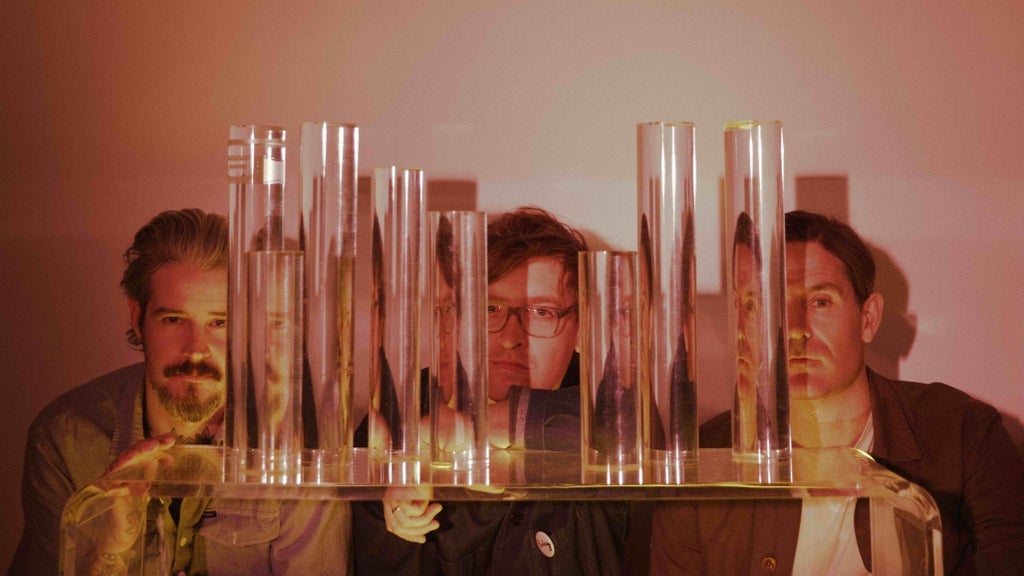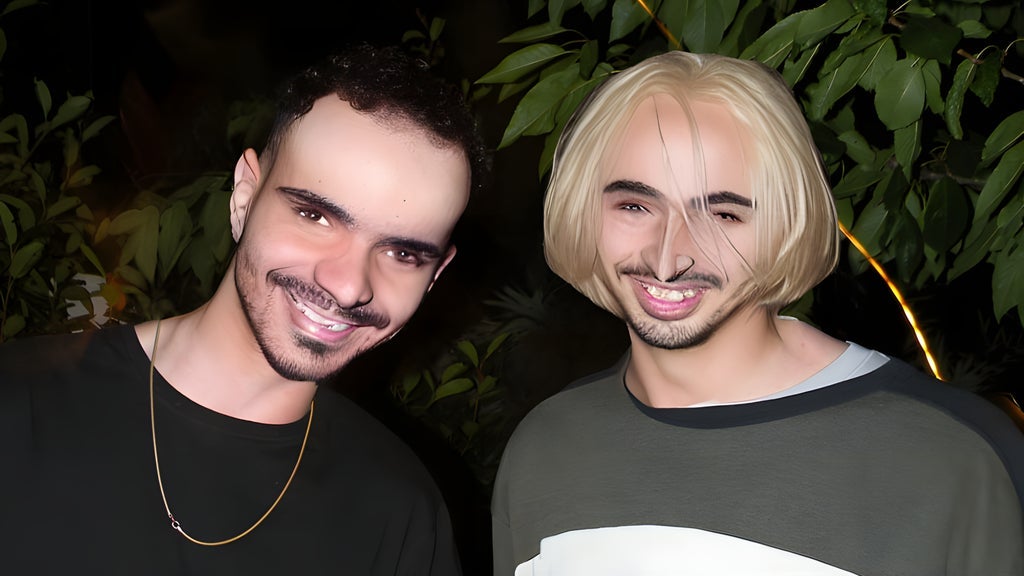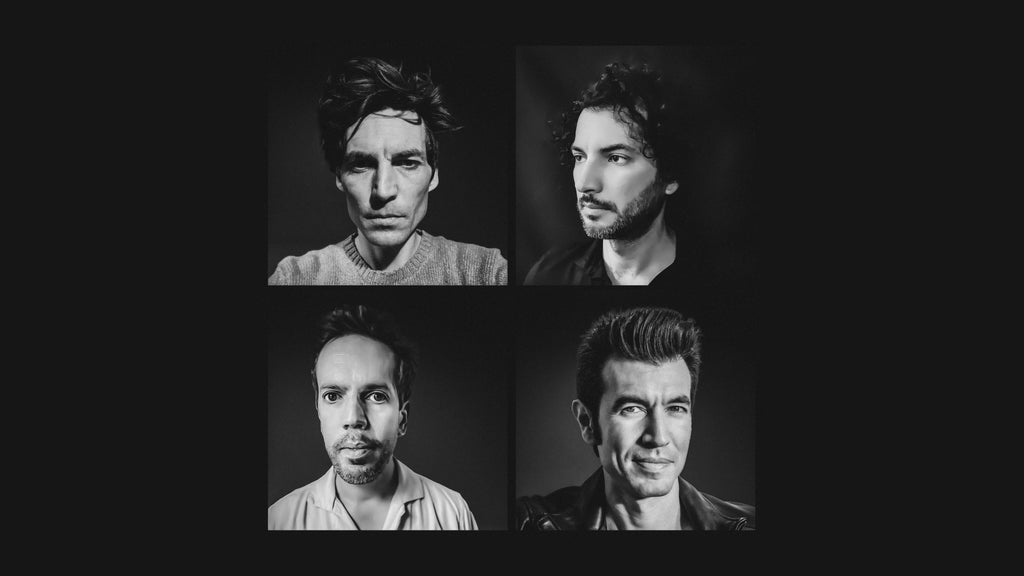
Grouplove
Young Man
Wed, September 14, 2011
Doors: 7:00 pm / Show: 8:00 pm
The Bowery Ballroom
New York, NY
$13 advance / $15 day of show
Tickets
This event is 18 and over
http://www.boweryballroom.com/event/55361/Grouplove

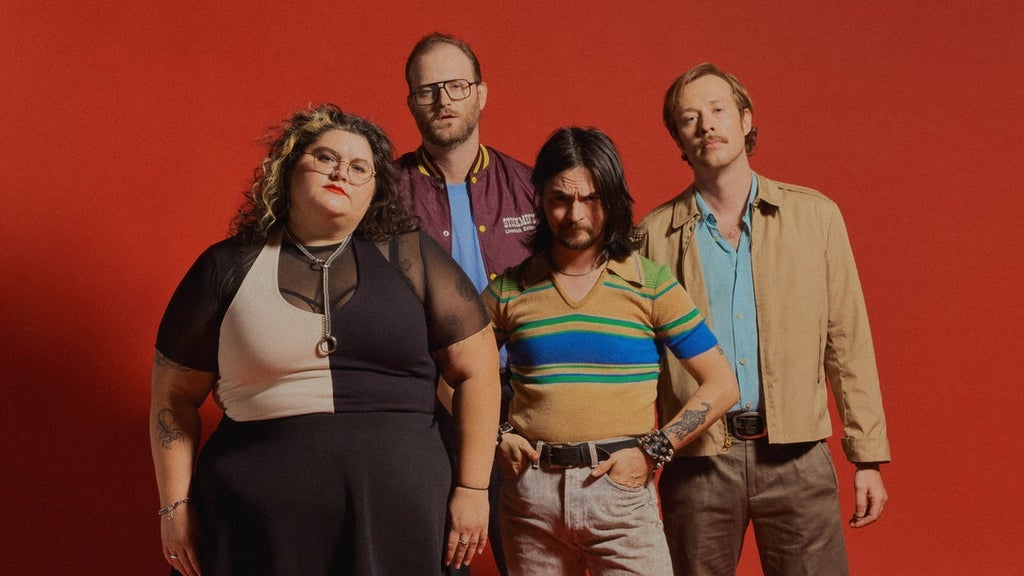
When the members of Grouplove met it was like a dream. The setting was
a remote artist colony on the exotic, mysterious Greek island of Crete.
Drummer/producer Ryan Rabin and his childhood friend and former
bandmate, guitarist Andrew Wessen came from California, guitarist
Christian Zucconi and keyboarist Hannah Hooper traveled from New York,
and bassist Sean Gadd was the lone Brit. Each member went to Greece for
their own independent reasons but over time they gravitated towards each
other and discovered the sound that unified them: a merging of richly
narrated, intricate songs with anthemic classic pop production. It took the
band the better part of a year to reunite after they left the island, but as
they prepare to release their debut album Never Trust A Happy Song, they’re
starting to realize what began as a fantasy has now become very real.
The story begins in the grimy, grey urbanscape of New York City. Hannah
was a painter living in a tiny apartment in Chinatown. Christian was living
in Brooklyn, realizing the band he’d been in for several years was coming to
its natural end. Forty-eight hours after they met the couple decided to
abandon the going-nowhere struggle of city life for the idyllic restfulness of
Greece. “When we first got there we didn’t know what to make of it,”
Christian remembers, laughing. “We were sharing a single bed and there
was no real shower. It took a few days to adjust.” They soon settled into a
rhythm – Christian wrote songs and Hannah painted, but eventually they
started mingling with the other residents. “To begin with, we just sat
around on the beach or in caves, playing each other songs,” Sean recalls. “I
thought Christian and Hannah were very eccentric and very artistic. I liked
their style. And right away we were all very supportive of each other’s
music and really enjoyed being together. That was the beginning of
Grouplove, we just didn’t know it then.”
The colony, which Andrew’s brother founded, allowed the members of
Grouplove to step outside their comfort zones. “We spent our days
together at a secluded beach far from the tourist traps, passing around the
guitar or ukulele and sharing our songs with each other,” Andrew
remembers. “At night, we would spend time in the town or the zen garden,
continuing to hang out. The fact that we met as individual artists and
songwriters is a dynamic that has remained to this day.” The individuality
factor was huge. “In New York you’re limited to what you’ve defined
yourself as,” Hannah laments. For the affirmed visual artist, this was a
particularly powerful revelation. “I’d been surrounded by the same people
for so long, which at a certain point becomes stifling,” she explains. “Even
though I was bright red the first few times I sang, it became an immediate
way to be creative with the people around me. We were making something
together.”
It wasn’t just the unusual circumstances that set these artists free, it was
also each other's company. “We are all so different,” Hannah explains. “Sean
is the traditional rock and roller. He’s got humor and style.” “And he’s the
guy you want in your corner,” Christian seconds. “Andrew is the free-spirit,
blonde, California surfer boy,” Hannah says fondly. “And the ambassador of
the band – he’s very social,” Christian adds. “Ryan seems serious at first but
he’s actually really funny and weird and has an exceptional ear,” Hannah
says. When it comes to describing each other, the couple keep it short but
sweet. “Christian writes the purest songs I’ve ever heard,” Hannah says.
“She’s the real rockstar of the band,” Christian responds.
It’s one thing to play around with a new art project from the comfort of a
supportive community, and quite another to transport that delicate synergy
to the real world. Ryan, who’d come to Greece after attending an exchange
program in the Czech Republic, went back to LA, thinking of Crete as
nothing more than the cherry on top of an eye-opening year abroad. Sean
went back to play with bands he’d been with, but just like with Christian, it
became clear those projects had run their course. And Andrew, a surfer,
went home to California where he picked up the chirango and ukulele,
adding to his repertoire of stringed instruments. “We kept in touch in a
summer camp way,” Hannah recalls. “But people started getting back to
their lives working their crappy jobs. Christian and I just really didn’t want
Greece to become just a memory.” After an impromptu reunion in LA,
during which they all stayed at Andrew’s place in Venice and Ryan’s garage
recording studio, jamming for a few days, it became clear this was
something special. “We just cancelled our flights back to NY,” Christian
remembers. “That was it.”
Never Trust A Happy Song is a brawny, ecstatic album filled with ambitious,
varied, expansive, tunes underscored by crisp percussion and killer
harmonies. “The variety in the musical taste and writing styles of each
member really makes each of our songs unique,” Ryan explains. “The
honest, open-minded process we go through in rehearsal and in the studio
brings the songs home and gives them the 'Grouplove' sound.” Under the
Grouplove banner, “Colours,” became a delicate but powerful slow/fast jam.
“Itchin On A Photograph” is a soaring epic propelled by spacey guitar licks
and vigorous handclaps. And “Tongue Tied,” is an electronic infused dance
anthem that showcases the band’s obsession with careening harmonies. In
keeping with the progressive context of their meeting, Hannah, Andrew,
and Sean all share vocal duties and take their turn fronting the band -
though Christian sings lead on most songs – Ryan produces all of their
material, and all five bandmembers receive songwriting credit on every
tune: Grouplove is a true collaboration.
The album’s title initially seems ironic: On the surface the band’s vibe
comes off as happy, the songs soar with a kind of shimmering, youthful
exuberance. But just beneath that sunny sheen, there is a reservoir of
longing and melancholy. The Grouplove signature is blending those two
pillars of life: sorrow and joy. Hannah explains, “As individuals we are
heavier, darker, but when we are together we bring the love.”
a remote artist colony on the exotic, mysterious Greek island of Crete.
Drummer/producer Ryan Rabin and his childhood friend and former
bandmate, guitarist Andrew Wessen came from California, guitarist
Christian Zucconi and keyboarist Hannah Hooper traveled from New York,
and bassist Sean Gadd was the lone Brit. Each member went to Greece for
their own independent reasons but over time they gravitated towards each
other and discovered the sound that unified them: a merging of richly
narrated, intricate songs with anthemic classic pop production. It took the
band the better part of a year to reunite after they left the island, but as
they prepare to release their debut album Never Trust A Happy Song, they’re
starting to realize what began as a fantasy has now become very real.
The story begins in the grimy, grey urbanscape of New York City. Hannah
was a painter living in a tiny apartment in Chinatown. Christian was living
in Brooklyn, realizing the band he’d been in for several years was coming to
its natural end. Forty-eight hours after they met the couple decided to
abandon the going-nowhere struggle of city life for the idyllic restfulness of
Greece. “When we first got there we didn’t know what to make of it,”
Christian remembers, laughing. “We were sharing a single bed and there
was no real shower. It took a few days to adjust.” They soon settled into a
rhythm – Christian wrote songs and Hannah painted, but eventually they
started mingling with the other residents. “To begin with, we just sat
around on the beach or in caves, playing each other songs,” Sean recalls. “I
thought Christian and Hannah were very eccentric and very artistic. I liked
their style. And right away we were all very supportive of each other’s
music and really enjoyed being together. That was the beginning of
Grouplove, we just didn’t know it then.”
The colony, which Andrew’s brother founded, allowed the members of
Grouplove to step outside their comfort zones. “We spent our days
together at a secluded beach far from the tourist traps, passing around the
guitar or ukulele and sharing our songs with each other,” Andrew
remembers. “At night, we would spend time in the town or the zen garden,
continuing to hang out. The fact that we met as individual artists and
songwriters is a dynamic that has remained to this day.” The individuality
factor was huge. “In New York you’re limited to what you’ve defined
yourself as,” Hannah laments. For the affirmed visual artist, this was a
particularly powerful revelation. “I’d been surrounded by the same people
for so long, which at a certain point becomes stifling,” she explains. “Even
though I was bright red the first few times I sang, it became an immediate
way to be creative with the people around me. We were making something
together.”
It wasn’t just the unusual circumstances that set these artists free, it was
also each other's company. “We are all so different,” Hannah explains. “Sean
is the traditional rock and roller. He’s got humor and style.” “And he’s the
guy you want in your corner,” Christian seconds. “Andrew is the free-spirit,
blonde, California surfer boy,” Hannah says fondly. “And the ambassador of
the band – he’s very social,” Christian adds. “Ryan seems serious at first but
he’s actually really funny and weird and has an exceptional ear,” Hannah
says. When it comes to describing each other, the couple keep it short but
sweet. “Christian writes the purest songs I’ve ever heard,” Hannah says.
“She’s the real rockstar of the band,” Christian responds.
It’s one thing to play around with a new art project from the comfort of a
supportive community, and quite another to transport that delicate synergy
to the real world. Ryan, who’d come to Greece after attending an exchange
program in the Czech Republic, went back to LA, thinking of Crete as
nothing more than the cherry on top of an eye-opening year abroad. Sean
went back to play with bands he’d been with, but just like with Christian, it
became clear those projects had run their course. And Andrew, a surfer,
went home to California where he picked up the chirango and ukulele,
adding to his repertoire of stringed instruments. “We kept in touch in a
summer camp way,” Hannah recalls. “But people started getting back to
their lives working their crappy jobs. Christian and I just really didn’t want
Greece to become just a memory.” After an impromptu reunion in LA,
during which they all stayed at Andrew’s place in Venice and Ryan’s garage
recording studio, jamming for a few days, it became clear this was
something special. “We just cancelled our flights back to NY,” Christian
remembers. “That was it.”
Never Trust A Happy Song is a brawny, ecstatic album filled with ambitious,
varied, expansive, tunes underscored by crisp percussion and killer
harmonies. “The variety in the musical taste and writing styles of each
member really makes each of our songs unique,” Ryan explains. “The
honest, open-minded process we go through in rehearsal and in the studio
brings the songs home and gives them the 'Grouplove' sound.” Under the
Grouplove banner, “Colours,” became a delicate but powerful slow/fast jam.
“Itchin On A Photograph” is a soaring epic propelled by spacey guitar licks
and vigorous handclaps. And “Tongue Tied,” is an electronic infused dance
anthem that showcases the band’s obsession with careening harmonies. In
keeping with the progressive context of their meeting, Hannah, Andrew,
and Sean all share vocal duties and take their turn fronting the band -
though Christian sings lead on most songs – Ryan produces all of their
material, and all five bandmembers receive songwriting credit on every
tune: Grouplove is a true collaboration.
The album’s title initially seems ironic: On the surface the band’s vibe
comes off as happy, the songs soar with a kind of shimmering, youthful
exuberance. But just beneath that sunny sheen, there is a reservoir of
longing and melancholy. The Grouplove signature is blending those two
pillars of life: sorrow and joy. Hannah explains, “As individuals we are
heavier, darker, but when we are together we bring the love.”
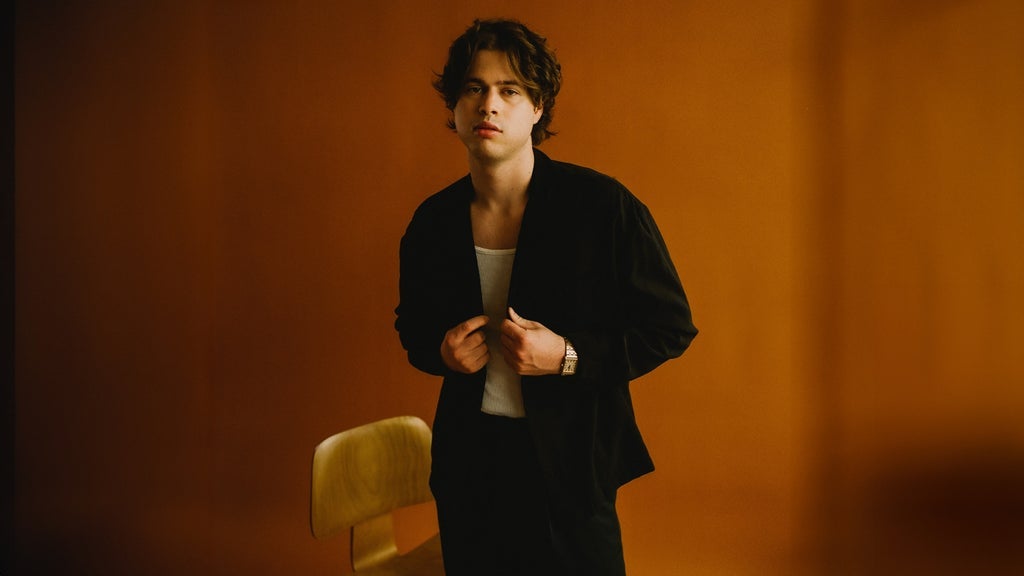
Young Man

Young Man’s Colin Caulfield On…Young Man
> It materialized during my sophomore year of college. I wasn't very interested in playing coffee shops or smaller venues. Instead, I spent my time recording. > I was a bedroom musician from the very start, I guess. > Boy used the perspective of a kid to get out some of my immature/naive ideas. There's an element of hindsight in there, but it was just meant as an introduction.
> When I got to college and couldn’t bring my drums, I picked up piano and got a guitar. I always liked playing drums, but it became apparent that I'd be primarily interested in writing songs. > I drummed in some half-baked blues bands, some woefully overambitious prog-rock projects, and a surf-punk band. Once college started, I wrote Americana tunes with one of my oldest friends. Those songs will definitely see the light of day, but nothing else was ever released.
> The idea of being “self-taught” is increasingly vague with the Internet. I can get in-depth vocal lessons for free on YouTube, so to say I learned everything on my own is kind of inauthentic. > A lot of people get surprised when I mention Rufus Wainwright as a huge influence. Also: Wolfgang Voigt, the Fiery Furnaces, the Cinematic Orchestra, Destroyer, Nobuo Uematsu, Philip Glass, Steve Reich and Owen Pallett. > Being an English major had a big impact on Young Man. I make records as though they're papers, a collection of cohesive parts that presents an argument.
> I’m not too interested in forcing my problems on people; making them sit through 40 minutes of whining. > Everyone falls in love and deals with distance in their own way, whether it's literal or figurative. The goal was to create something people could draw their own interpretations from—some death of the modern author shit.
> Because the mixing process was so in depth and drawn out, the songs changed a ton over time. Most people would laugh if they heard the unmixed versions.
> There are moments when the album is much more effective on a nice set of speakers—when you can really feel the song change—but the subtleties and samples were definitely intended for headphones. > I decided to take on music full-time over a year ago now, so finishing school was more or less an obstacle, rather than an impetus, for a career path. > I was planning on moving to New York, but realized there wasn't really a feasible way of doing so with all the projects I had going on. I had this vision of being really depressed in a completely new city; not having any free time to explore and meet people. Luckily, I moved into an awesome house in a very different neighborhood. I realize now that I hadn't really experienced Chicago while I was in school. > All the songs lead up to “Felt,” a 10-minute piece that reprises and elaborates upon everything that has come before it. I think that's the best song on the record, but a lot of that has to do with having an understanding of what precedes it. > I'm actually in the studio with a full band working on the first of those two studio records and we're hoping to record the next in a couple months. If I have it my way, the two additional records will come out within a year of Ideas of Distance. > I didn’t always nail my papers, but I feel like I tried something different every time. The same applies to my music.
> It materialized during my sophomore year of college. I wasn't very interested in playing coffee shops or smaller venues. Instead, I spent my time recording. > I was a bedroom musician from the very start, I guess. > Boy used the perspective of a kid to get out some of my immature/naive ideas. There's an element of hindsight in there, but it was just meant as an introduction.
> When I got to college and couldn’t bring my drums, I picked up piano and got a guitar. I always liked playing drums, but it became apparent that I'd be primarily interested in writing songs. > I drummed in some half-baked blues bands, some woefully overambitious prog-rock projects, and a surf-punk band. Once college started, I wrote Americana tunes with one of my oldest friends. Those songs will definitely see the light of day, but nothing else was ever released.
> The idea of being “self-taught” is increasingly vague with the Internet. I can get in-depth vocal lessons for free on YouTube, so to say I learned everything on my own is kind of inauthentic. > A lot of people get surprised when I mention Rufus Wainwright as a huge influence. Also: Wolfgang Voigt, the Fiery Furnaces, the Cinematic Orchestra, Destroyer, Nobuo Uematsu, Philip Glass, Steve Reich and Owen Pallett. > Being an English major had a big impact on Young Man. I make records as though they're papers, a collection of cohesive parts that presents an argument.
> I’m not too interested in forcing my problems on people; making them sit through 40 minutes of whining. > Everyone falls in love and deals with distance in their own way, whether it's literal or figurative. The goal was to create something people could draw their own interpretations from—some death of the modern author shit.
> Because the mixing process was so in depth and drawn out, the songs changed a ton over time. Most people would laugh if they heard the unmixed versions.
> There are moments when the album is much more effective on a nice set of speakers—when you can really feel the song change—but the subtleties and samples were definitely intended for headphones. > I decided to take on music full-time over a year ago now, so finishing school was more or less an obstacle, rather than an impetus, for a career path. > I was planning on moving to New York, but realized there wasn't really a feasible way of doing so with all the projects I had going on. I had this vision of being really depressed in a completely new city; not having any free time to explore and meet people. Luckily, I moved into an awesome house in a very different neighborhood. I realize now that I hadn't really experienced Chicago while I was in school. > All the songs lead up to “Felt,” a 10-minute piece that reprises and elaborates upon everything that has come before it. I think that's the best song on the record, but a lot of that has to do with having an understanding of what precedes it. > I'm actually in the studio with a full band working on the first of those two studio records and we're hoping to record the next in a couple months. If I have it my way, the two additional records will come out within a year of Ideas of Distance. > I didn’t always nail my papers, but I feel like I tried something different every time. The same applies to my music.